

Tea stands as one of humanity’s most enduring and versatile beverages, second only to water in global consumption. Rich in history, diverse in varieties, and supported by extensive research on its health properties, tea offers a sophisticated alternative to everyday drinks. This article provides a comprehensive overview of its origins, classifications, and enduring appeal.
The Historical Legacy of Tea
The origins of tea trace back to ancient China, with legends dating its discovery to around 2737 BC during the reign of Emperor Shen Nong. According to tradition, leaves from a wild tea bush inadvertently fell into boiling water, producing an aromatic and invigorating infusion.
Over centuries, tea evolved from a medicinal tonic to a cultural cornerstone. During the Tang Dynasty (618–907 AD), it gained widespread popularity in China, inspiring poetic works and refined preparation methods. By the 9th century, Japanese monks introduced tea to Japan, where it developed into the disciplined chanoyu ceremony.
European contact began in the 16th century, with Portuguese and Dutch traders, but it was in 17th-century Britain that tea became a social institution, influencing trade routes, economies, and even historical events like the American Revolution’s Boston Tea Party.
Today, major producers include China, India, Sri Lanka, Kenya, and Japan, contributing to an industry that spans continents.
The Primary Categories of True Tea
All true teas derive from the Camellia sinensis plant. Variations arise primarily from differences in processing, particularly the degree of oxidation:
- White Tea: Minimally processed with young buds and leaves; lightly oxidized for a delicate, nuanced flavor profile rich in antioxidants.
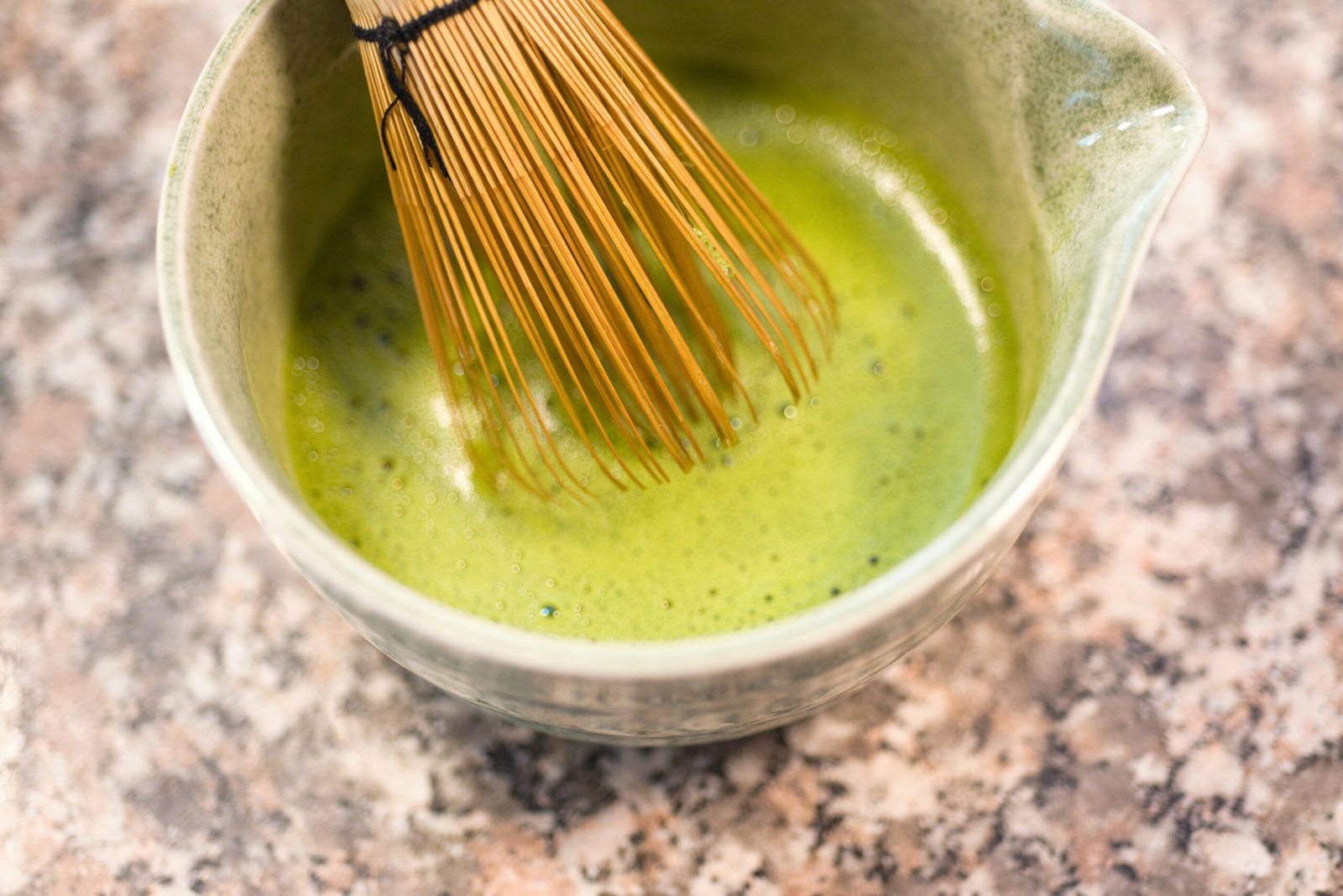
- Green Tea: Non-oxidized leaves, often steamed or pan-fired to preserve natural freshness; characterized by grassy, vegetal notes (e.g., sencha or matcha).
- Oolong Tea: Partially oxidized (typically 10–70%); yields complex, floral, and fruity characteristics that bridge green and black teas.
- Black Tea: Fully oxidized for bold, robust flavors; staples include Assam, Darjeeling, and Earl Grey.
- Pu-erh Tea: Post-fermented and often aged; delivers deep, earthy notes that can mature over time, akin to fine wine.
Herbal infusions (tisanes), such as chamomile or rooibos, fall outside true tea but offer complementary options in the broader beverage landscape.
Evidence-Based Health Benefits
Tea is renowned for its high content of polyphenols and antioxidants, which contribute to various health advantages supported by scientific studies. Key benefits include:
- Enhanced cardiovascular health
- Improved mental alertness combined with relaxation (attributed to L-theanine)
- Support for metabolic function and weight management
- Bolstered immune response
These properties vary by tea type, with deeper explorations to follow in future articles.
The Enduring Appeal of Tea
In contrast to faster-paced beverages like coffee, tea emphasizes ritual, variety, and mindfulness. With thousands of cultivars and blends available, it accommodates diverse preferences—from invigorating morning brews to calming evening infusions.
Tea’s global influence continues to grow, blending tradition with modern innovation in flavor profiles, preparation techniques, and wellness applications.
Share your thoughts in the comments: What is your preferred tea variety, or which aspect of tea culture intrigues you most?