
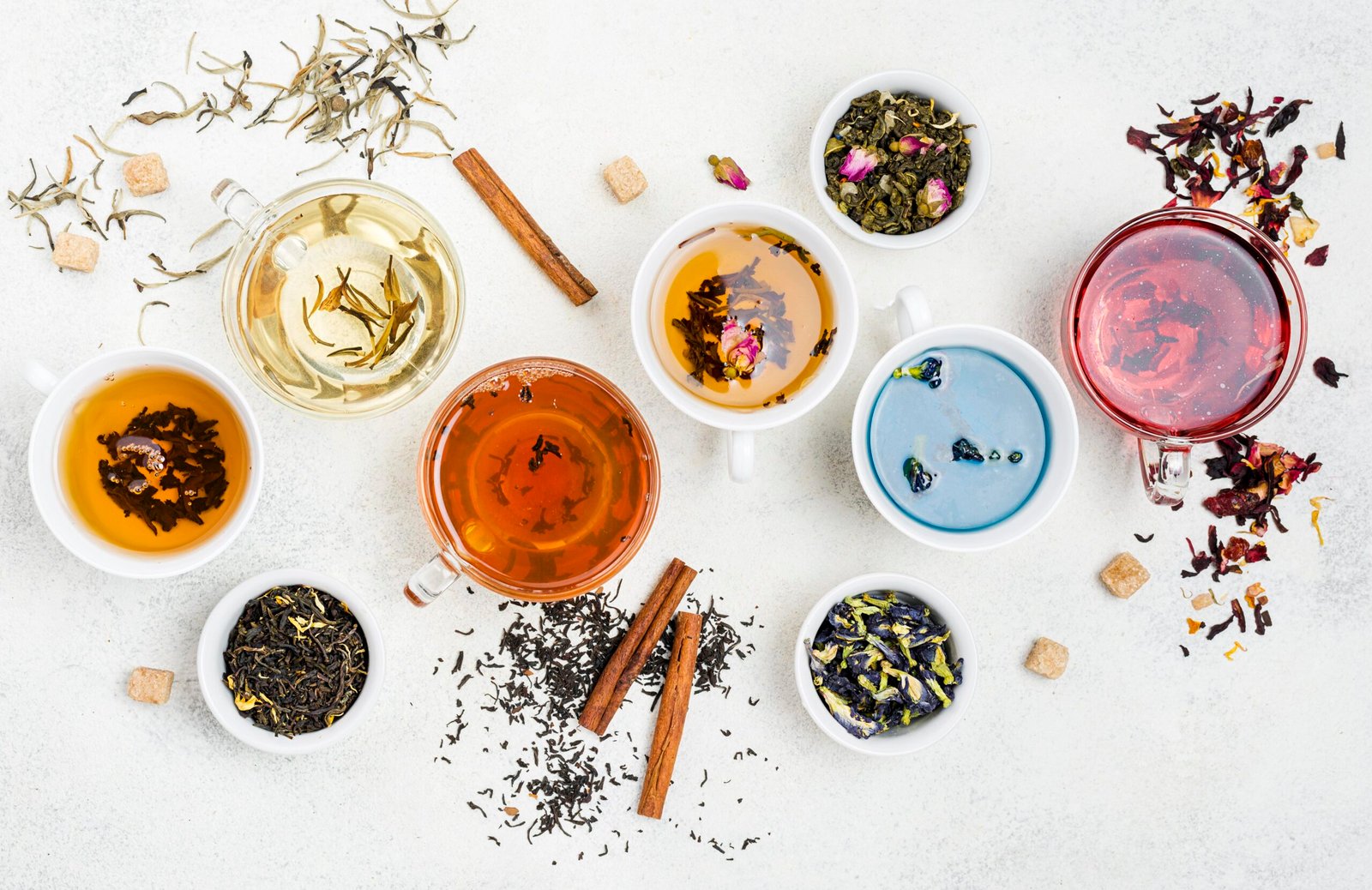
The world of true tea revolves around six primary categories, all derived from the Camellia sinensis plant. What distinguishes them is primarily the degree of oxidation and unique processing techniques, which profoundly influence flavor profiles, appearance, caffeine levels, and health properties. Understanding these differences empowers tea enthusiasts to select the ideal brew for any occasion or wellness goal.
Overview of Processing and Oxidation
Oxidation—the enzymatic browning of leaves exposed to oxygen—determines a tea’s character:
- White Tea: Minimal oxidation (0–10%).
- Green Tea: No oxidation; leaves are quickly heated to prevent it.
- Yellow Tea: Lightly oxidized with a unique “sealed yellowing” step (rare and subtle).
- Oolong Tea: Partial oxidation (10–70%).
- Black Tea: Full oxidation (100%).
- Pu-erh Tea: Post-oxidation fermentation (often aged; can be raw or ripe).
Detailed Breakdown by Type
White Tea
Processed minimally from young buds and leaves, white tea undergoes natural withering and drying. This preserves delicate flavors and high antioxidant levels.
- Flavor Profile: Subtle, sweet, floral, and light.
- Caffeine: Low (15–30 mg per 8 oz cup).
- Health Benefits: Rich in catechins; supports skin health and strong antioxidant activity.
Green Tea
Leaves are heated (steamed or pan-fired) immediately after harvest to halt oxidation, retaining fresh, grassy notes.
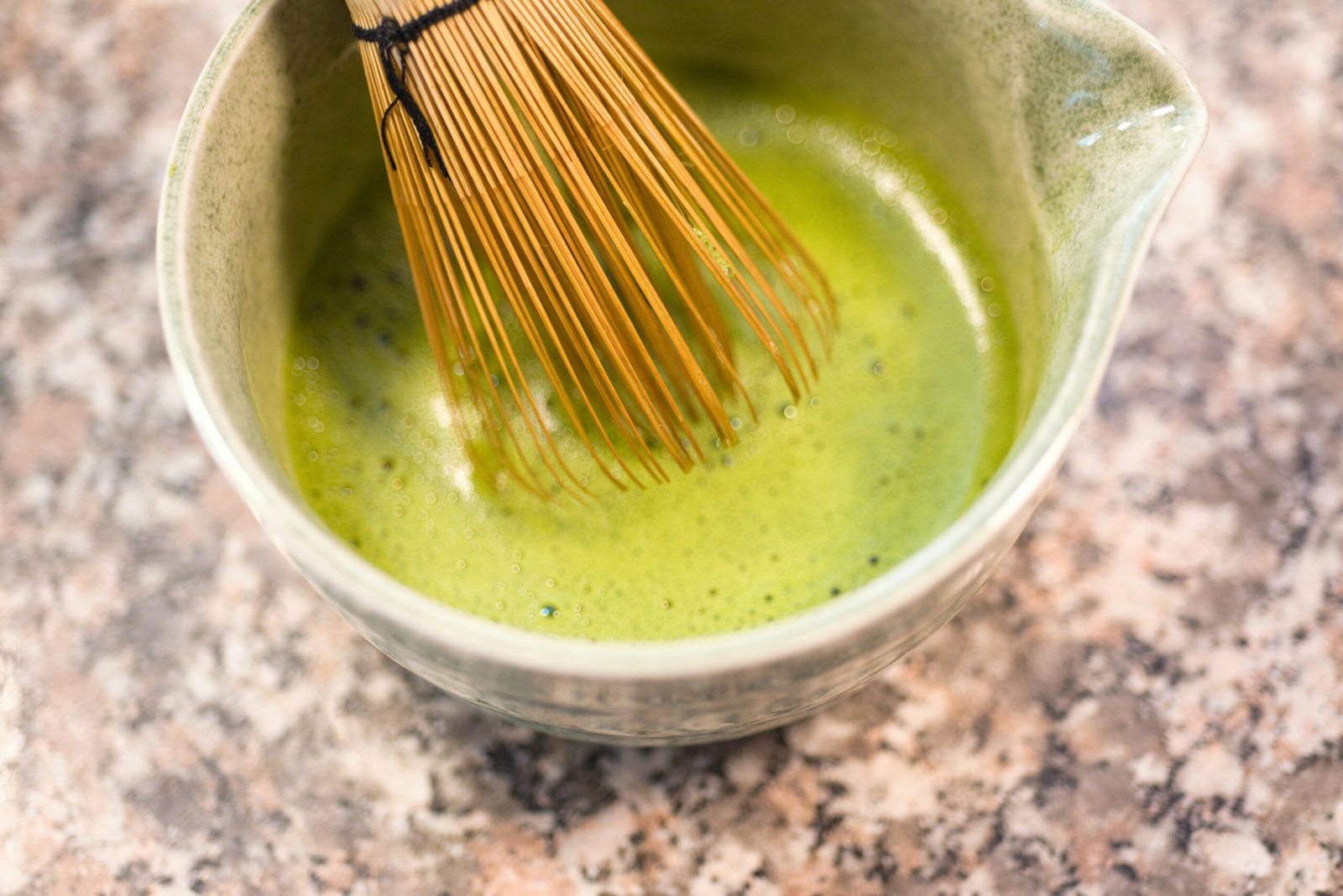
- Flavor Profile: Vegetal, fresh, sometimes nutty or marine (e.g., matcha is powdered green tea).
- Caffeine: Moderate (20–45 mg per cup; higher in matcha).
- Health Benefits: High in EGCG; linked to improved metabolism, brain function, and cardiovascular support.
Yellow Tea
A rare Chinese specialty involving a slow “men huang” (sealed yellowing) process after light oxidation, which mellows sharpness.
- Flavor Profile: Smooth, mellow, slightly sweet without grassiness.
- Caffeine: Low to moderate (20–40 mg).
- Health Benefits: Similar to green tea but gentler on the stomach; antioxidant-rich.
Oolong Tea
Partially oxidized and often rolled or twisted, oolong spans a wide spectrum from light to dark.
- Flavor Profile: Complex—floral and fruity (lighter) to roasted and woody (darker).
- Caffeine: Moderate (30–50 mg).
- Health Benefits: Balances green and black properties; may aid digestion and weight management.
Black Tea
Fully oxidized leaves yield bold, robust brews popular worldwide (e.g., Assam, Darjeeling).
- Flavor Profile: Malty, brisk, full-bodied; often enjoyed with milk.
- Caffeine: Higher (40–70 mg).
- Health Benefits: Contains theaflavins; supports heart health and alertness.
Pu-erh Tea
Fermented (raw/sheng or ripe/shou) and often aged in cakes; unique microbial process.
- Flavor Profile: Earthy, smooth, woody; improves with age.
- Caffeine: Variable (30–70 mg; often moderate).
- Health Benefits: Probiotics from fermentation; traditionally aids digestion and cholesterol management.
Side-by-Side Comparison Table
| Tea Type | Oxidation Level | Typical Flavor Notes | Caffeine (mg/8 oz) | Key Antioxidants/Benefits | Ideal Brewing Temp/Time |
|---|---|---|---|---|---|
| White | 0–10% | Delicate, sweet, floral | 15–30 | High catechins; skin & immune support | 160–185°F / 2–5 min |
| Green | 0% | Grassy, fresh, vegetal | 20–45 | EGCG; metabolism & heart health | 160–180°F / 1–3 min |
| Yellow | 10–20% | Mellow, smooth, sweet | 20–40 | Gentle antioxidants; digestion aid | 170–185°F / 2–4 min |
| Oolong | 10–70% | Floral to roasted, complex | 30–50 | Mixed polyphenols; weight & focus support | 185–205°F / 3–5 min |
| Black | 100% | Bold, malty, brisk | 40–70 | Theaflavins; cardiovascular & alertness | Boiling / 3–5 min |
| Pu-erh | Fermented | Earthy, rich, mature | 30–70 | Probiotics; cholesterol & gut health | Boiling / Multiple infusions |
All true teas offer polyphenols with evidence-based benefits like reduced inflammation and improved heart health, though effects vary by type and consumption.
Choosing the Right Tea
- For gentle energy and maximum antioxidants → opt for white or green.
- For complexity and balance → choose oolong.
- For bold flavor and sustained alertness → select black.
- For digestive support and depth → try pu-erh.
Which type resonates with your preferences? Share in the comments below.