
Unlock the Secrets of Your Tea’s Color Transformation
Have you ever noticed how the color of your tea can change dramatically during the brewing process? From a pale hue to a rich, vibrant shade, the transformation that takes place in your cup is a fascinating window into the art of tea making. In this article, we’ll explore the color changes that signify the perfect brewing time for your favorite teas, helping you achieve the optimal flavor and aroma every time.
The Importance of Color in Tea Brewing
The color of your tea is not just a matter of aesthetics – it’s a direct reflection of the chemical reactions happening within the liquid. As the tea leaves steep and release their compounds, the color shifts, indicating the stage of extraction and the balance of flavors. By learning to read these color cues, you can ensure that your tea is brewed to perfection, unlocking the full potential of your Goldenleaf Tea.
Understanding Tea Color Stages
- Initial Steep: The first few seconds of steeping will produce a very light, pale color, as the hot water extracts the more delicate, water-soluble compounds from the leaves.
- Mid-Steeping: As the steeping time increases, the color will deepen and intensify, reflecting the extraction of additional compounds like tannins and polyphenols.
- Final Steep: At the end of the recommended steeping time, the tea will reach its deepest, most vibrant color, indicating that the extraction process is complete.
Brewing Tips for Optimal Color Development
To ensure your tea reaches the perfect color transformation, consider these expert brewing tips:
Water Temperature
- Use water that is just off the boil (around 195-205°F/91-96°C) for most teas, as this temperature allows for proper extraction without burning the leaves.
- Adjust the water temperature based on the tea type – delicate green teas may prefer slightly cooler water, while robust black teas can handle hotter temperatures.
Steeping Time
- Follow the recommended steeping time on the packaging of your Goldenleaf Tea, which is carefully calculated to bring out the best flavors and colors.
- Experiment with adjusting the steeping time by 30-60 seconds to find your personal preference, but avoid over-steeping, as this can result in a bitter, astringent brew.
Vessel and Water Quality
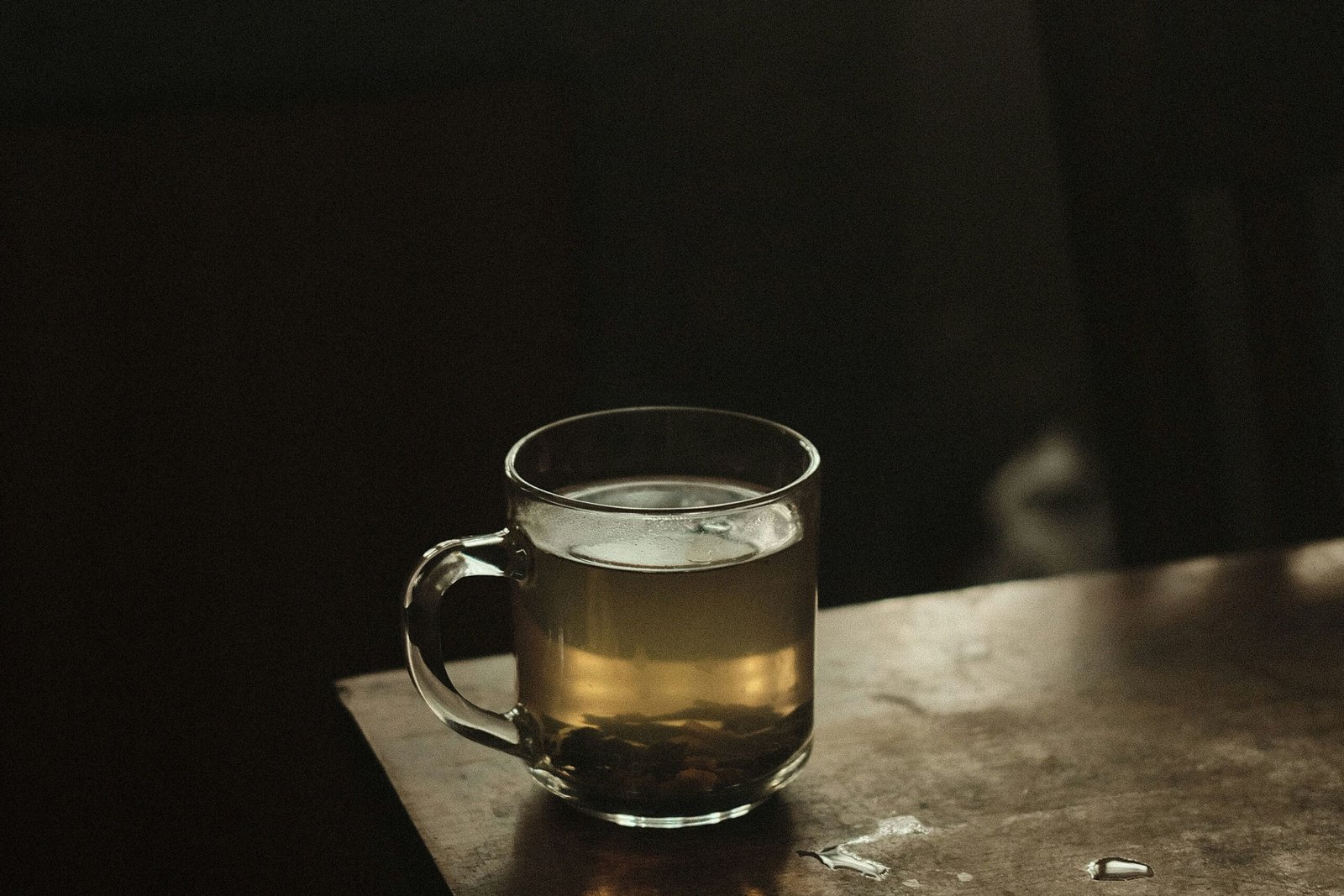
- Use a clean, clear glass or ceramic vessel to brew your tea, as this allows you to better observe the color changes.
- Ensure you are using fresh, filtered water, as the mineral content and purity can impact the final color of your tea.
Troubleshooting Color Issues
If you notice your tea isn’t reaching the expected color, here are a few potential issues to consider:
Oversteeping
- Tea that has been steeped for too long can result in a murky, dull color and an overly bitter taste.
- Adjust your steeping time down to prevent over-extraction.
Understeeping
- If the tea remains pale and weak-looking, it’s likely that the steeping time was too short, resulting in an incomplete extraction.
- Increase the steeping time gradually until you achieve the desired color and flavor profile.
Water Temperature
- Water that is too hot can scald the tea leaves, leading to a dull, muted color.
- Conversely, water that is too cool may not extract the tea’s compounds effectively, resulting in a pale, weak-looking brew.
Conclusion
The color transformation of your tea is a captivating display of the science behind the perfect brew. By understanding the relationship between water temperature, steeping time, and color, you can unlock the full potential of your Goldenleaf Tea and enjoy a cup that is not only visually stunning but also bursting with flavor. So the next time you brew a cup, be sure to keep a close eye on those color changes – they just might be the key to your perfect tea experience.