
Zero-Waste Tea Practices That Reduce Environmental Impact Without Extra Effort
As the world becomes increasingly conscious of environmental sustainability, conscious consumers are looking for simple ways to reduce their carbon footprint. Did you know that your daily tea ritual can be an unexpected source of eco-friendly habits? From sourcing to brewing, there are several zero-waste tea practices you can easily incorporate into your lifestyle.
Opt for Loose-Leaf Teas Over Tea Bags
While tea bags may be convenient, they often contain non-biodegradable materials like plastic or nylon. Loose-leaf teas, on the other hand, are a more sustainable option:
- Loose-leaf teas typically use whole tea leaves, which minimizes waste and allows you to get the most out of each serving.
- Many tea brands, like Goldenleaf Tea, offer loose-leaf varieties packaged in recyclable or compostable containers.
- You can reuse the same loose leaves multiple times, getting more cups of tea from the same amount of tea.
- Loose-leaf teas often have a more robust and nuanced flavor profile compared to tea bags.
Explore Reusable Brewing Methods
Another way to reduce waste in your tea routine is to opt for reusable brewing methods instead of disposable tea bags or single-use filters:
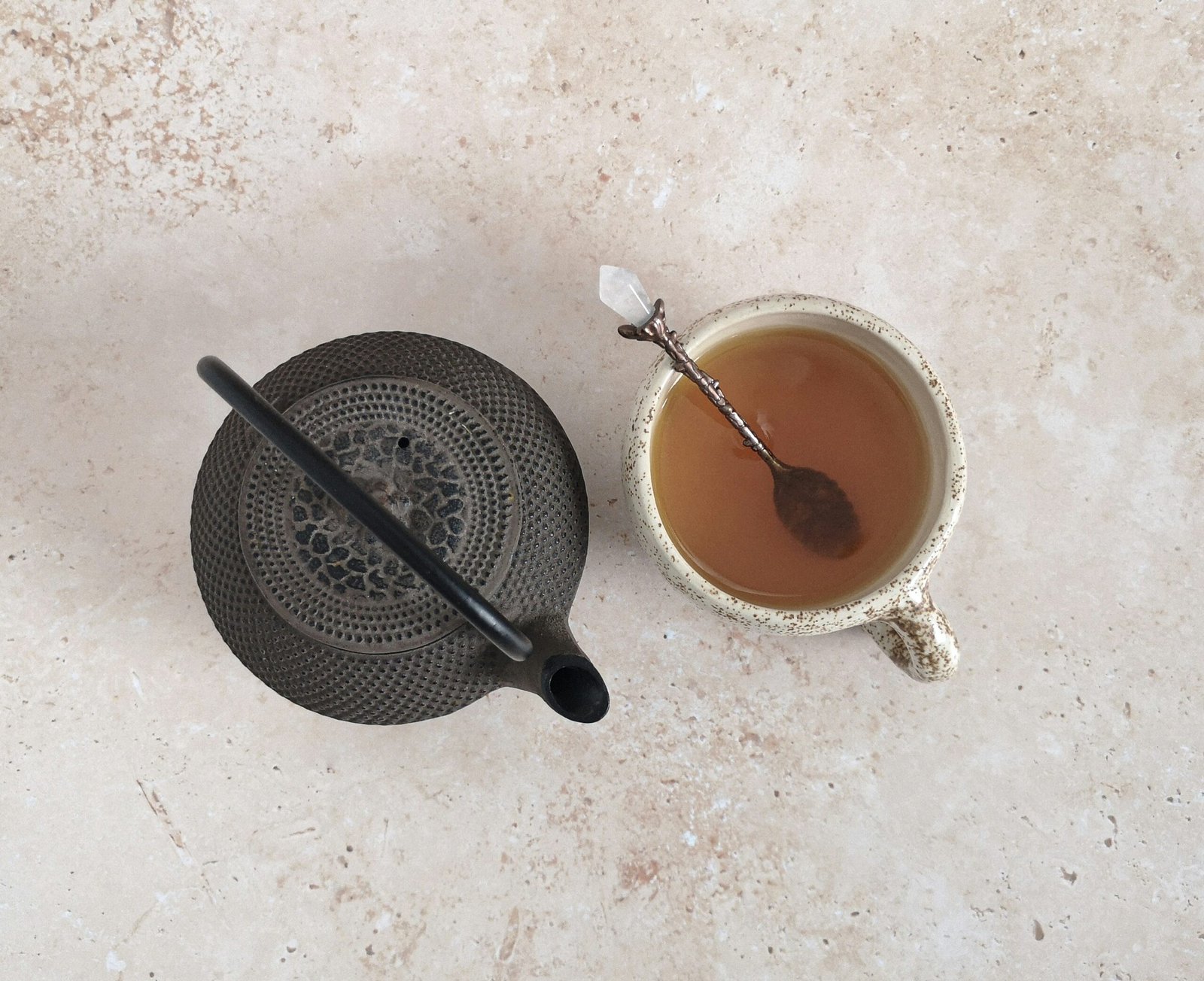
- Invest in a glass or ceramic teapot that can be used again and again.
- Consider a reusable tea infuser or strainer that allows you to easily brew loose-leaf teas.
- Look for travel mugs or tumblers with built-in infusers for on-the-go tea enjoyment.
- Avoid single-use paper or plastic filters, which end up in landfills after each use.
Upcycle Tea Leaves for Compost or Crafts
Once you’ve brewed your tea, the used leaves don’t have to go to waste. There are several ways to give them a second life:
- Add spent tea leaves to your home compost bin. The leaves are rich in nutrients and can help enrich your soil.
- Dehydrate and grind used tea leaves into a powder, then use it as a natural exfoliant in homemade beauty products.
- Incorporate dried tea leaves into arts and crafts projects, such as candle making, potpourri, or decorative sachets.
- Explore recipes that use spent tea leaves, like tea-infused baked goods or tea-based beauty treatments.
Choose Mindfully Sourced Teas
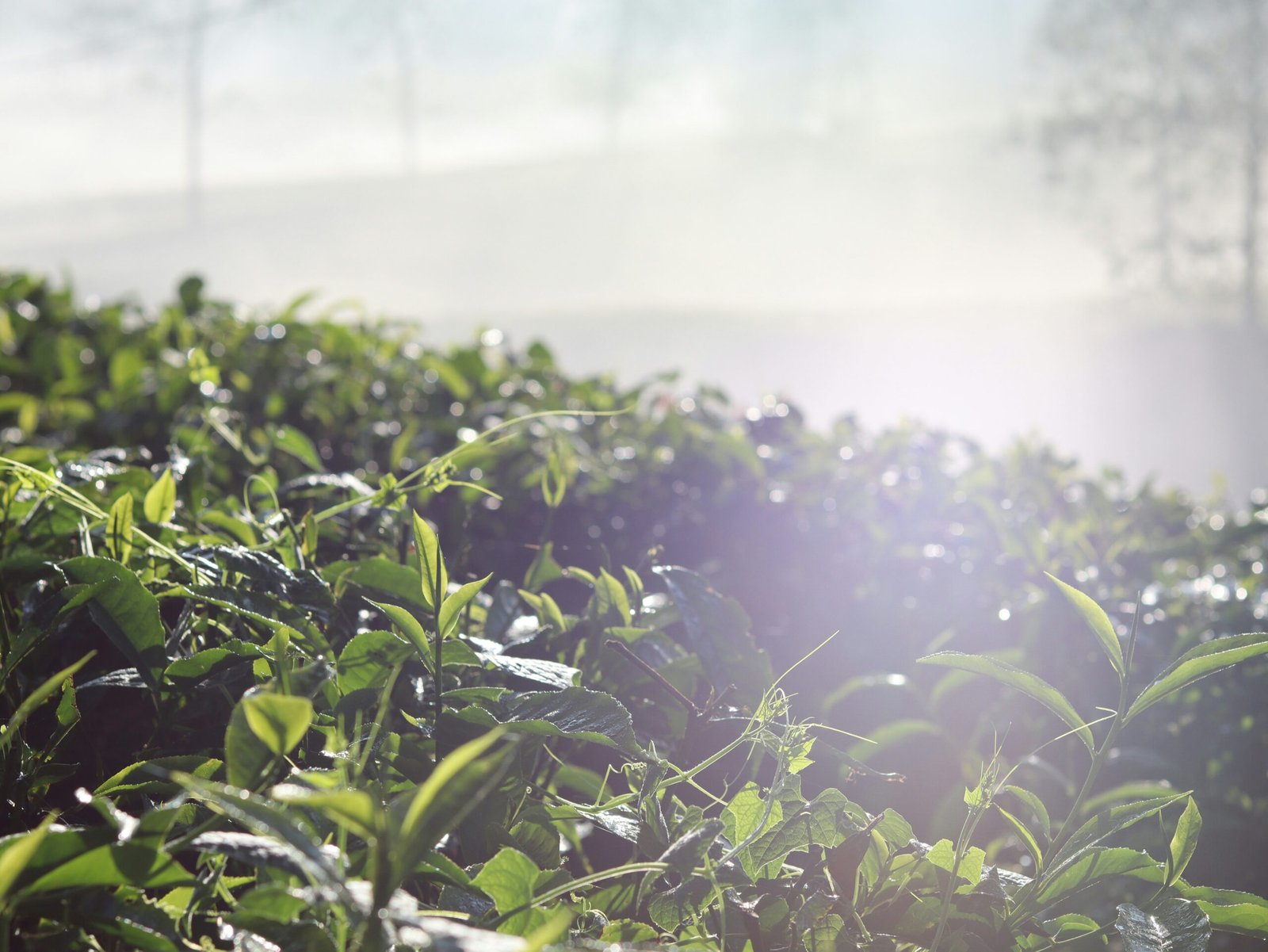
The sourcing and production of tea can also impact the environment. When selecting your tea, look for brands that prioritize sustainability and ethical practices:
- Opt for organic, fair-trade, or biodynamic teas, which support small-scale farmers and minimize the use of harmful pesticides.
- Seek out teas that are packaged in recycled, recyclable, or compostable materials.
- Goldenleaf Tea, for example, sources its teas from sustainable tea gardens and uses eco-friendly packaging.
- Consider the transportation footprint of your tea, and try to choose locally or regionally sourced options when possible.
By implementing these simple zero-waste tea practices, you can enjoy your daily cup of tea while reducing your environmental impact. Remember, every small step towards sustainability counts. Incorporate these tips into your tea routine, and you’ll be sipping on a more eco-friendly brew in no time.