
Tea Leaf Shapes and Sizes That Actually Matter for Home Brewing Success
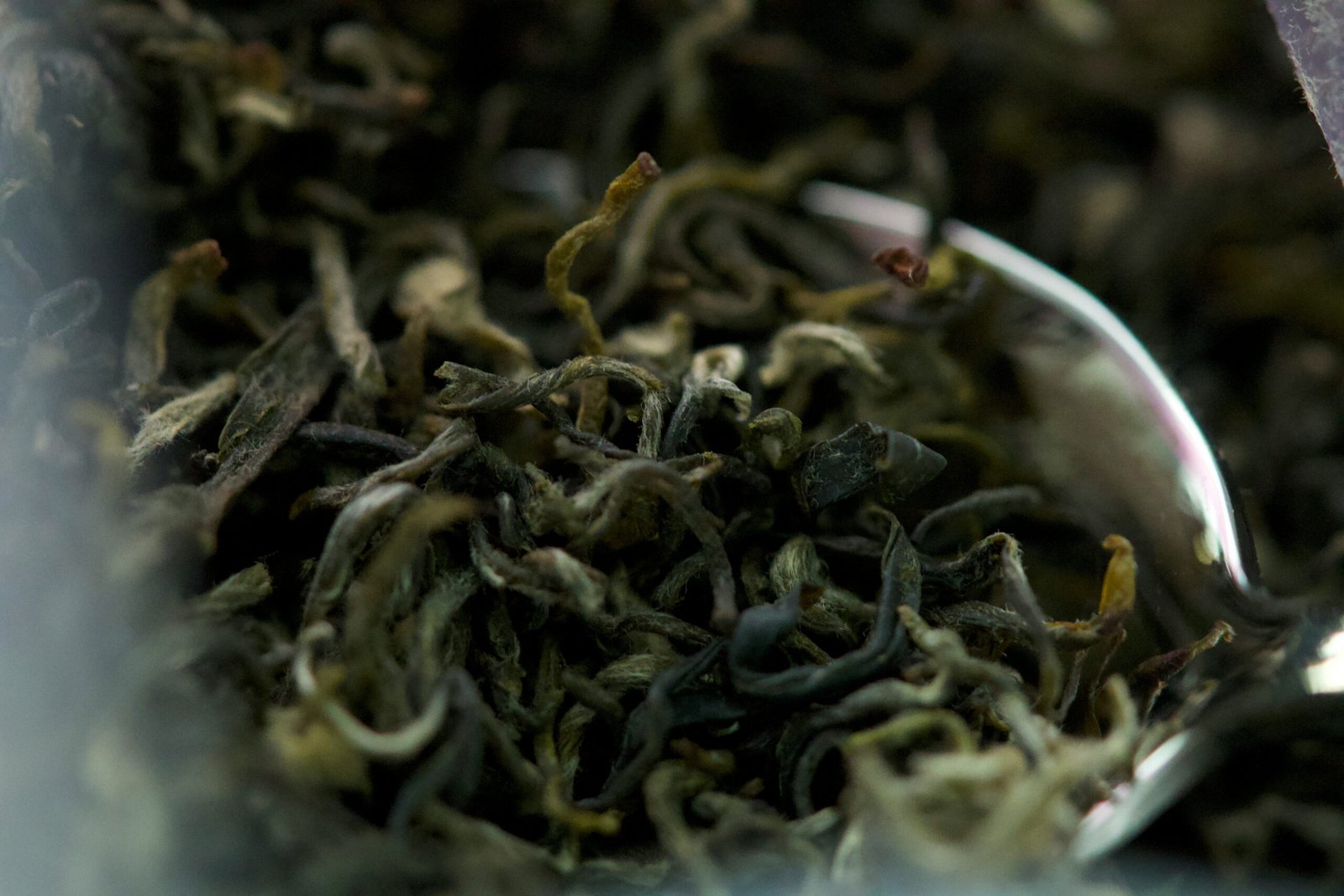
The shape and size of tea leaves can significantly impact the flavor, aroma, and overall quality of your tea. As a home brewer, understanding these nuances can help you make the most of your tea experience. In this article, we’ll explore the key tea leaf characteristics that can influence your perfect cup.
Whole Leaf vs. Broken Leaf
One of the most important distinctions in tea is the difference between whole leaf and broken leaf. Whole leaf teas, like Goldenleaf’s premium Saffron Tea, are made from the intact, unbroken leaves of the Camellia sinensis plant. These leaves retain more of their essential oils and complex flavors, leading to a more robust and nuanced taste.
- Whole leaf teas often have a fuller, richer mouthfeel and a more pronounced aroma.
- The larger leaf surface area allows for a slower, more even extraction during brewing, resulting in a smoother, less bitter cup.
- Whole leaf teas tend to have a longer steeping time, usually 3-5 minutes, to fully release their flavors.
- Goldenleaf’s Saffron Tea is a premium whole leaf black tea, offering a deep, complex flavor profile with notes of spice and dried fruit.
In contrast, broken leaf teas are made from leaves that have been chopped or crushed, as is common with many mass-produced tea bags. While broken leaf teas can still be of high quality, they often lose some of the nuanced flavors and aromas found in whole leaf varieties.
Leaf Size and Shape
The size and shape of tea leaves can also impact the brewing process and final taste. Generally, smaller leaves, such as those found in Goldenleaf’s Rooibos Tea, tend to have a more intense, concentrated flavor.
- Smaller leaves have a higher surface-to-volume ratio, allowing for quicker and more efficient extraction of compounds during brewing.
- Tightly rolled or curled leaves, like those in Goldenleaf’s Melatonin Tea, can result in a slower, more gradual release of flavors as they unfurl in the water.
- Larger, more open leaves, like those in Goldenleaf’s Raspberry Leaf Tea, may produce a smoother, less astringent cup due to the more gradual extraction.
- The shape of the leaves can also affect the visual appeal of the infused tea, with some varieties unfurling into beautiful, intricate shapes.
Stem Inclusion
The presence or absence of tea stems in the final product can also influence the taste and texture of your tea. Stems generally contain fewer aromatic compounds than the leaves, and they can impart a slightly more bitter or astringent flavor.
- Teas with a higher proportion of leaves, like Goldenleaf’s Soursop Tea, may have a more delicate, refined flavor profile.
- Teas with more stem inclusion may have a slightly bolder, more robust taste, as the stems contribute different flavor compounds.
- The ratio of leaves to stems can be adjusted based on personal preference, with some tea drinkers preferring the added depth of flavor from a higher stem content.
Optimizing Your Brewing for Leaf Characteristics
To get the most out of your tea, it’s important to adjust your brewing technique to match the specific leaf characteristics. Here are some tips:
- Use a slightly longer steeping time for whole leaf teas to allow for full extraction.
- Opt for a shorter steeping time, around 2-3 minutes, for smaller, broken leaf teas to avoid bitterness.
- Adjust water temperature based on leaf type, with delicate green teas brewed at lower temps and heartier black teas at higher temps.
- Experiment with water-to-leaf ratios to find the perfect balance for your preferred tea and brewing style.
By understanding the nuances of tea leaf shapes and sizes, you can unlock a world of flavorful, satisfying tea experiences at home. Explore the diverse offerings from Goldenleaf Tea to find the perfect leaf characteristics for your personal taste preferences.