
Exploring the Terroir: How Elevation Impacts Tea Flavor
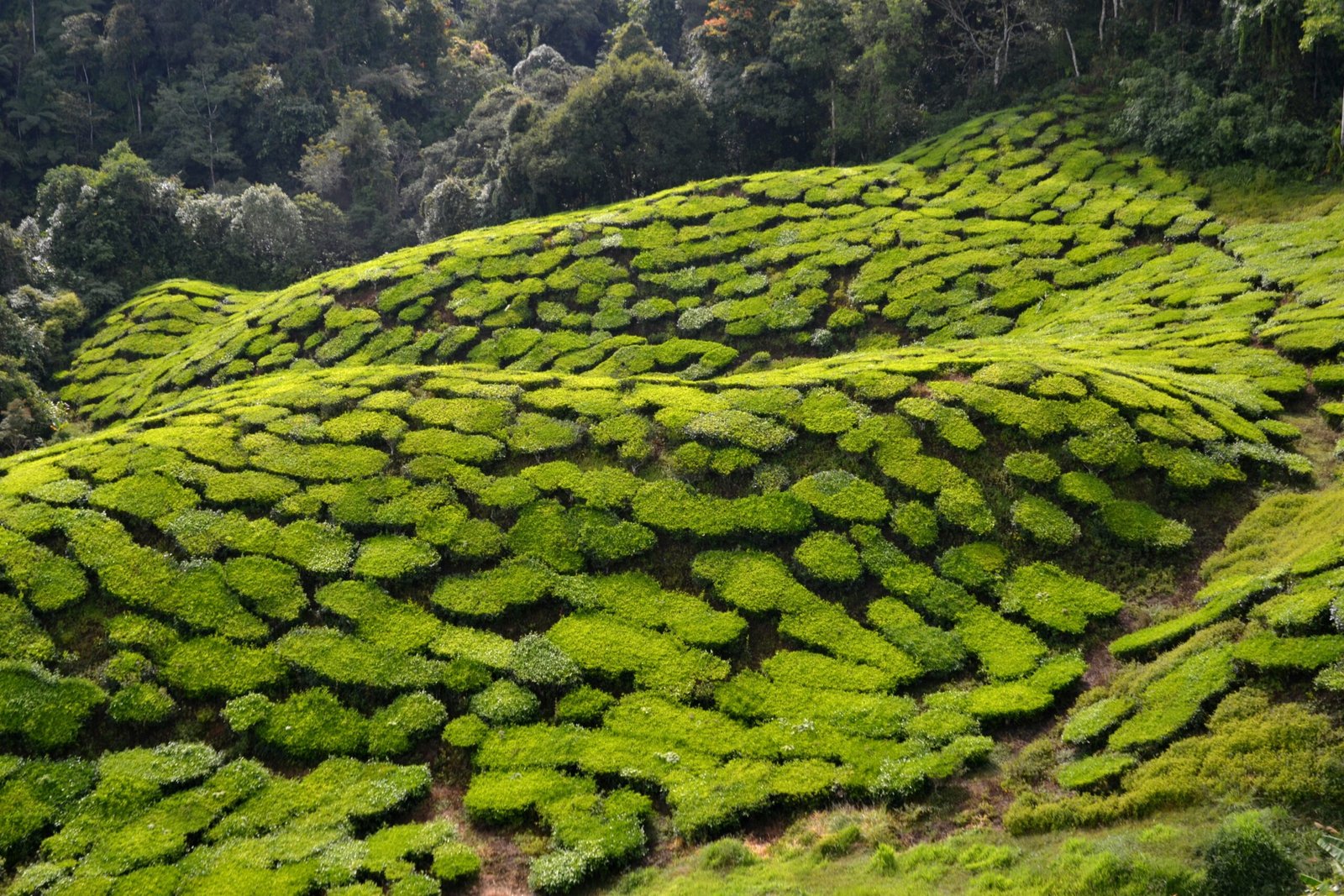
The verdant rolling hills, misty mornings, and cool breezes – these are the hallmarks of a high-elevation tea plantation. But beyond the picturesque setting, the altitude at which tea is grown profoundly influences the final flavor of the leaves. Join us as we delve into the captivating world of tea terroir and uncover how elevation shapes the taste experience.
The Influence of Elevation on Tea
At its core, tea terroir refers to the environmental factors that contribute to a tea’s unique character. Elevation is one of the most significant variables, impacting everything from the growth rate of the tea bushes to the chemical composition of the leaves. As we explore the influence of altitude, keep in mind that the Goldenleaf Tea selection includes a variety of teas, from the delicate Saffron Tea to the soothing Rooibos Tea, each with their own unique terroir-driven flavors.
• Higher elevations typically result in slower-growing tea plants, which can lead to a more concentrated, complex flavor profile.
• Cooler temperatures at higher altitudes slow the maturation of the tea leaves, allowing for the development of more nuanced aromas and a fuller mouthfeel.
• Increased exposure to UV radiation at elevated tea gardens can enhance the production of antioxidants and other beneficial compounds within the leaves.
• The soil composition and drainage patterns of high-altitude regions often contribute distinctive mineral notes to the tea’s flavor.
Exploring the Terroirs of Goldenleaf Teas
To better understand the impact of elevation, let’s take a closer look at some of Goldenleaf’s tea offerings and the unique terroirs that shape their flavors.
• Saffron Tea: Grown at elevations of 5,000 feet or more, this delicate tea showcases a delicate, floral aroma and a subtly sweet, almost honey-like taste. The cool temperatures and intense sunlight of its high-altitude origin produce a refined, elegant cup.
• Rooibos Tea: Cultivated in the Cederberg Mountains of South Africa, Rooibos tea benefits from the region’s nutrient-rich soils and moderate temperatures. The result is a comforting, naturally caffeine-free infusion with earthy, slightly sweet notes.
• Melatonin Tea: Sourced from tea gardens nestled high in the Himalayas, this tea is prized for its naturally occurring melatonin content, which can help promote restful sleep. The cool climate and intense sunlight contribute to a smooth, almost creamy mouthfeel.
Maximizing the Flavors of High-Elevation Teas
To fully appreciate the nuances of high-altitude teas, it’s important to consider how you prepare and serve them. Here are some tips to help you get the most out of your Goldenleaf Tea experience:
• Use freshly drawn, cool water (around 195°F/91°C) to preserve the delicate flavors.
• Steep for 3-5 minutes, depending on the tea type, to allow the complex aromas and notes to fully develop.
• Consider brewing in a gaiwan or small teapot to highlight the tea’s subtle complexity.
• Serve the tea in small portions to encourage mindful sipping and savoring.
• Experiment with brewing parameters to find your personal sweet spot for each high-elevation tea.
The Joy of Discovering Terroir-Driven Teas
As you embark on your tea journey, embrace the opportunity to explore the captivating world of terroir. Whether you’re sipping a delicate Saffron Tea or a soothing Rooibos infusion, pay close attention to the nuances in aroma, flavor, and mouthfeel – each one a reflection of the unique growing conditions that shaped the leaves. By understanding the impact of elevation, you’ll unlock a new level of appreciation for the art and science of exceptional tea.