
Exploring the Fascinating History of Japanese Tea Ceremonies
The Japanese tea ceremony, also known as the “Way of Tea,” is a centuries-old tradition that has captivated the world with its elegance, simplicity, and profound cultural significance. This ritualized preparation and presentation of matcha green tea is more than just a way to enjoy a beverage; it’s a harmonious blending of art, spirituality, and the pursuit of mindfulness.
The Origins of the Japanese Tea Ceremony
The origins of the Japanese tea ceremony can be traced back to the 12th century, when the practice of drinking powdered green tea was introduced from China. Over time, the ceremony evolved into a distinct art form, influenced by Zen Buddhism, Taoism, and the aesthetic principles of wabi-sabi – the appreciation of beauty in imperfection and transience.
The key elements of the tea ceremony include:
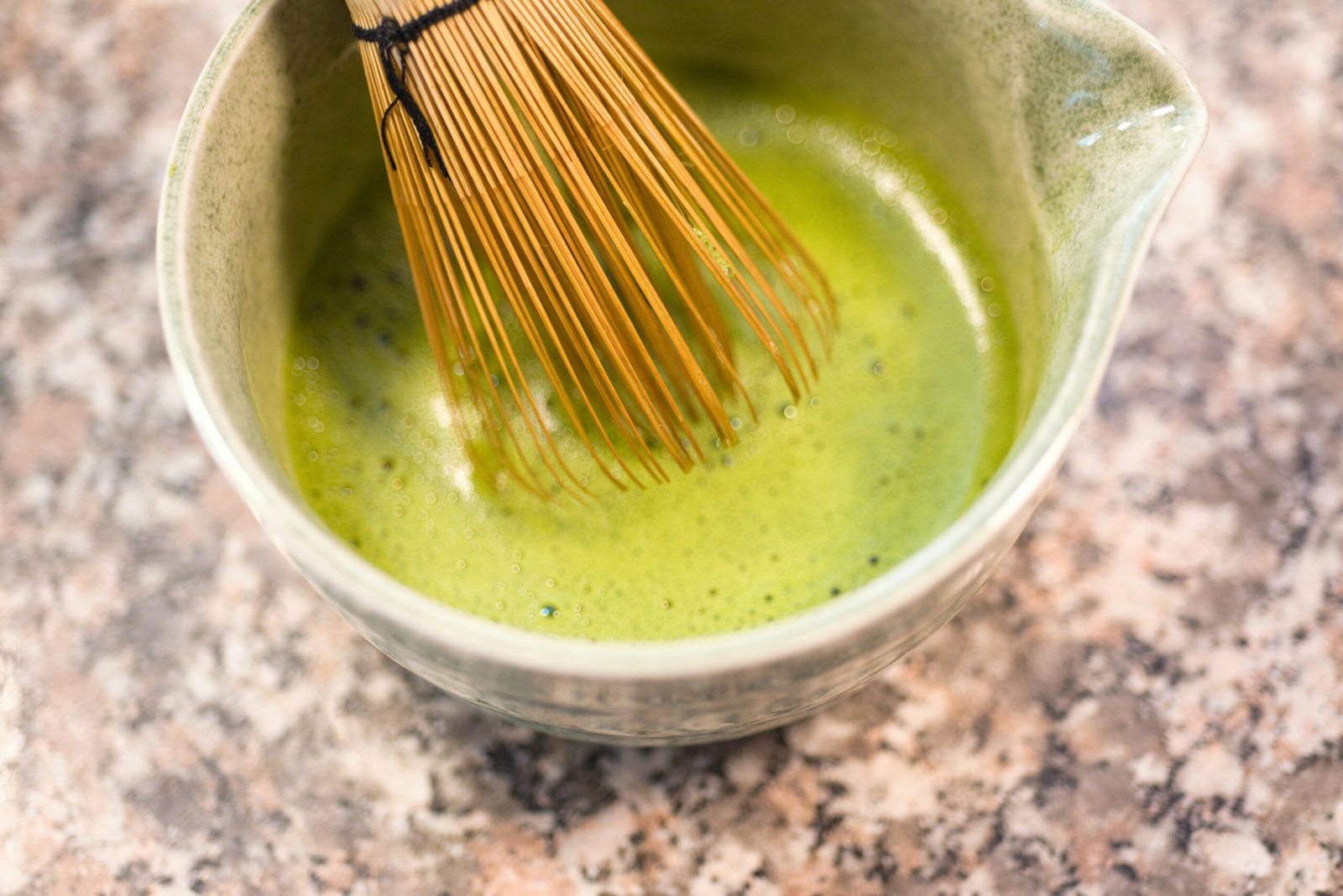
- Meticulously prepared and presented matcha green tea
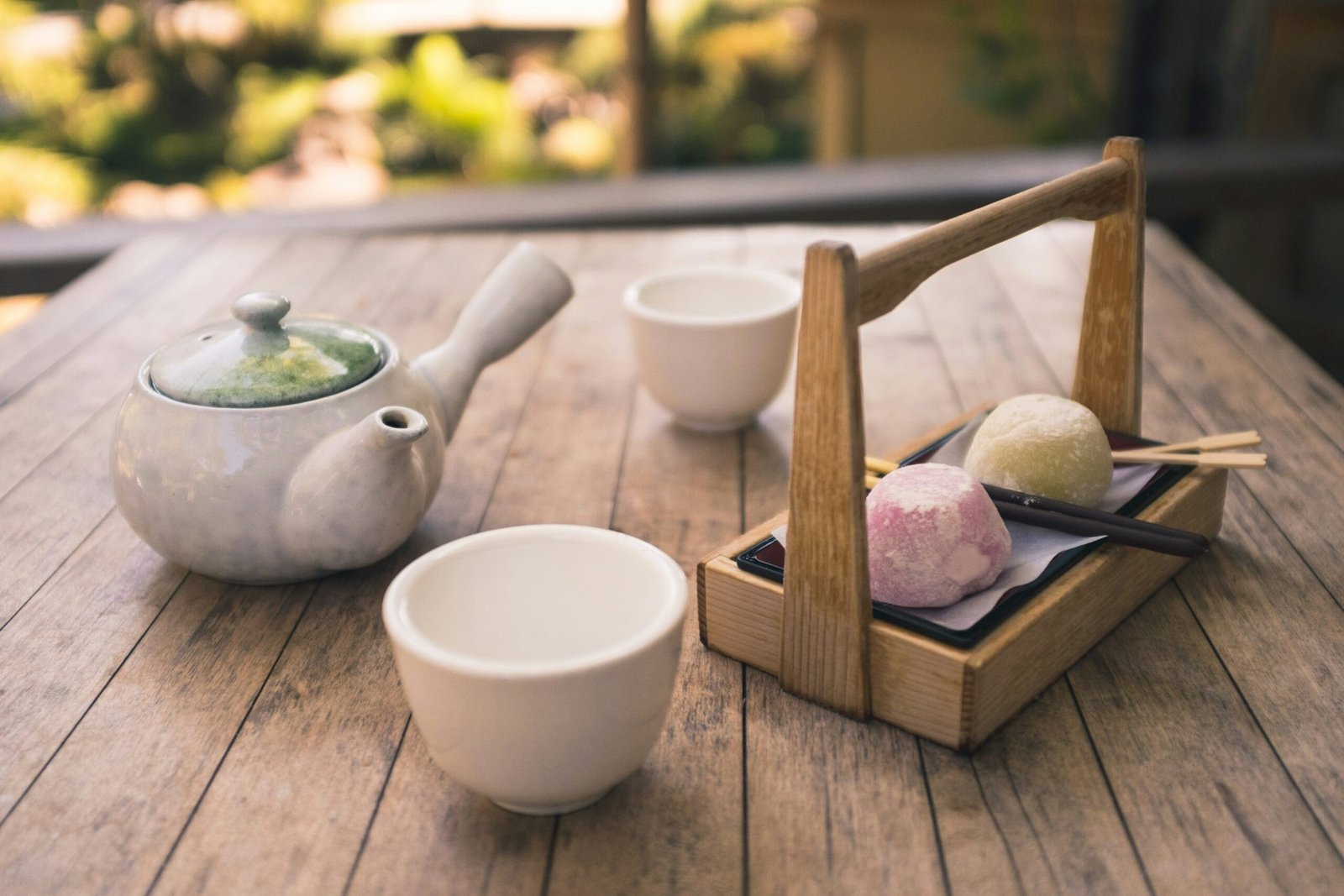
- Carefully selected and arranged utensils, such as the tea bowl, bamboo whisk, and tea scoop
- A thoughtfully designed and serene tea room, often with a garden view
- Precise movements and gestures performed by the host to create a harmonious and meditative experience
The Spiritual and Aesthetic Aspects of the Tea Ceremony
The Japanese tea ceremony is more than just a social event; it is a profound spiritual practice that reflects the core values of Japanese culture. The host’s role is to create a tranquil and harmonious environment, guiding the guests through a carefully choreographed sequence of movements and gestures.
The tea ceremony emphasizes the importance of:
- Mindfulness and being present in the moment
- Appreciation for natural beauty and the imperfections of handmade objects
- Harmony between hosts and guests, and with the surrounding environment
- Respect for tradition and the passing down of cultural knowledge
The Influence of Zen Buddhism on the Tea Ceremony
Zen Buddhism has had a profound influence on the development of the Japanese tea ceremony. The principles of Zen, such as simplicity, tranquility, and the appreciation of the present moment, are deeply woven into the fabric of the ceremony.
The tea ceremony is often seen as a means of cultivating mindfulness and inner peace. As the host carefully prepares and serves the tea, the guests are encouraged to focus their attention on the sensory experience, setting aside their worries and distractions.
The Role of Sado, the Way of Tea
Sado, or the Way of Tea, is the term used to describe the comprehensive study and practice of the tea ceremony. Practitioners of Sado undergo extensive training in the proper techniques, etiquette, and philosophical underpinnings of the tea ceremony.
- Sado emphasizes the importance of mastering the physical movements and gestures involved in preparing and serving tea
- Practitioners also study the history, cultural significance, and aesthetic principles of the tea ceremony
- The study of Sado is often a lifelong pursuit, as the practitioner continues to refine their skills and deepen their understanding
The Enduring Legacy of the Japanese Tea Ceremony
The Japanese tea ceremony has endured for centuries, evolving and adapting to changing times while remaining a cherished cultural tradition. Today, the tea ceremony continues to captivate and inspire people around the world, offering a unique glimpse into the intricate and profound aspects of Japanese culture.
Whether you are a seasoned tea enthusiast or someone new to the world of matcha, exploring the history and practice of the Japanese tea ceremony can be a truly enlightening and transformative experience. By immersing yourself in the beauty and mindfulness of this ancient tradition, you can gain a deeper appreciation for the rich cultural heritage of Japan.