
Mastering the Art of Mindful Tea Tasting for Greater Appreciation
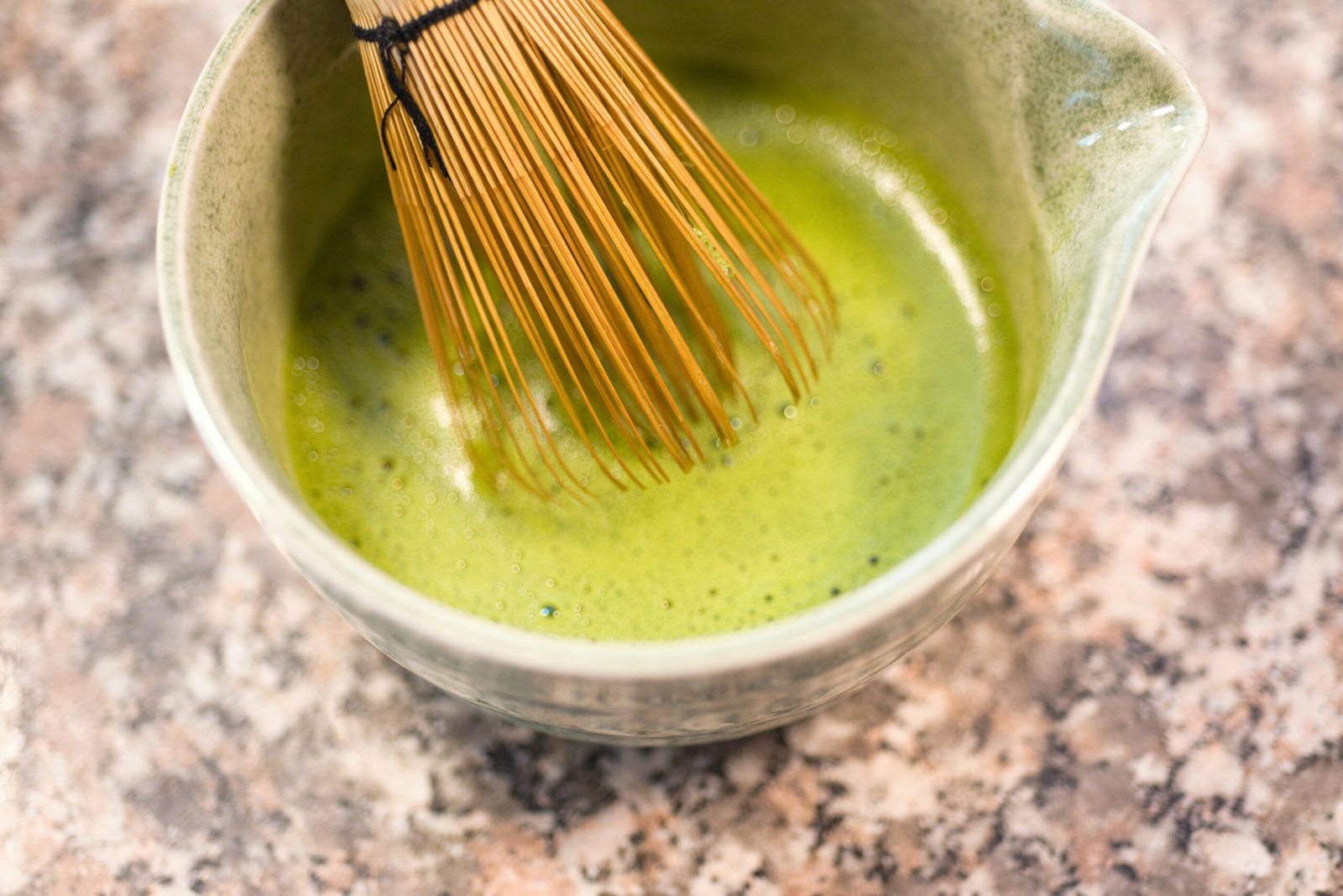
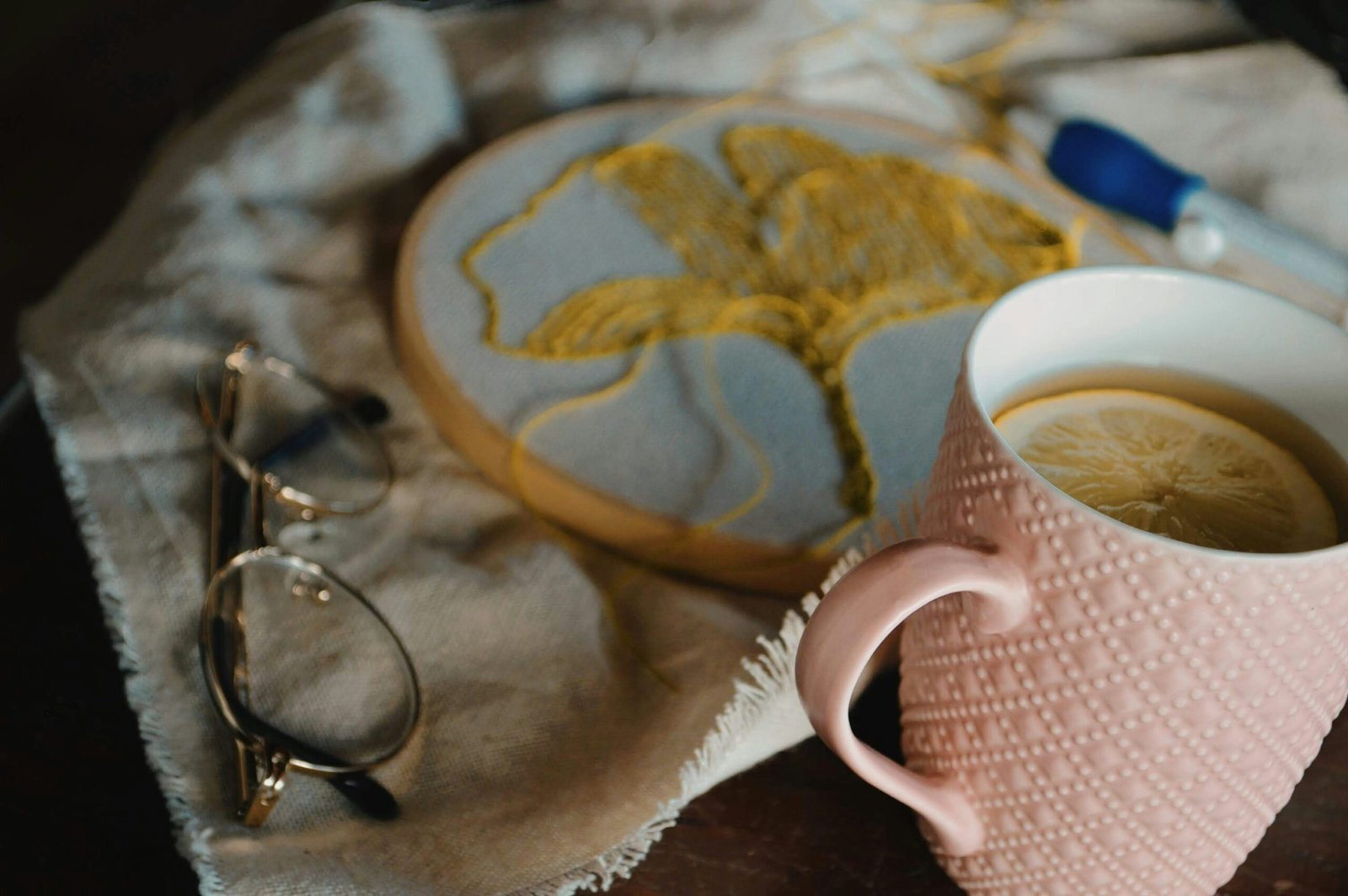
Sipping a cup of tea can be a truly sensory experience if approached with intention and focus. Mindful tea tasting allows you to fully appreciate the nuances of aroma, flavor, and texture that each tea varietal has to offer. By honing your tea tasting skills, you can unlock a deeper connection to the ritual of tea drinking and cultivate a greater sense of gratitude for the art of tea preparation.
Prepare Your Senses for Tea Tasting
The first step in mindful tea tasting is to create an environment that allows you to fully engage your senses. Find a quiet, distraction-free space where you can focus solely on the tea experience. Settle into a comfortable seat, breathe deeply, and set an intention to be fully present.
• Eliminate external noise and visual distractions to minimize sensory overload.
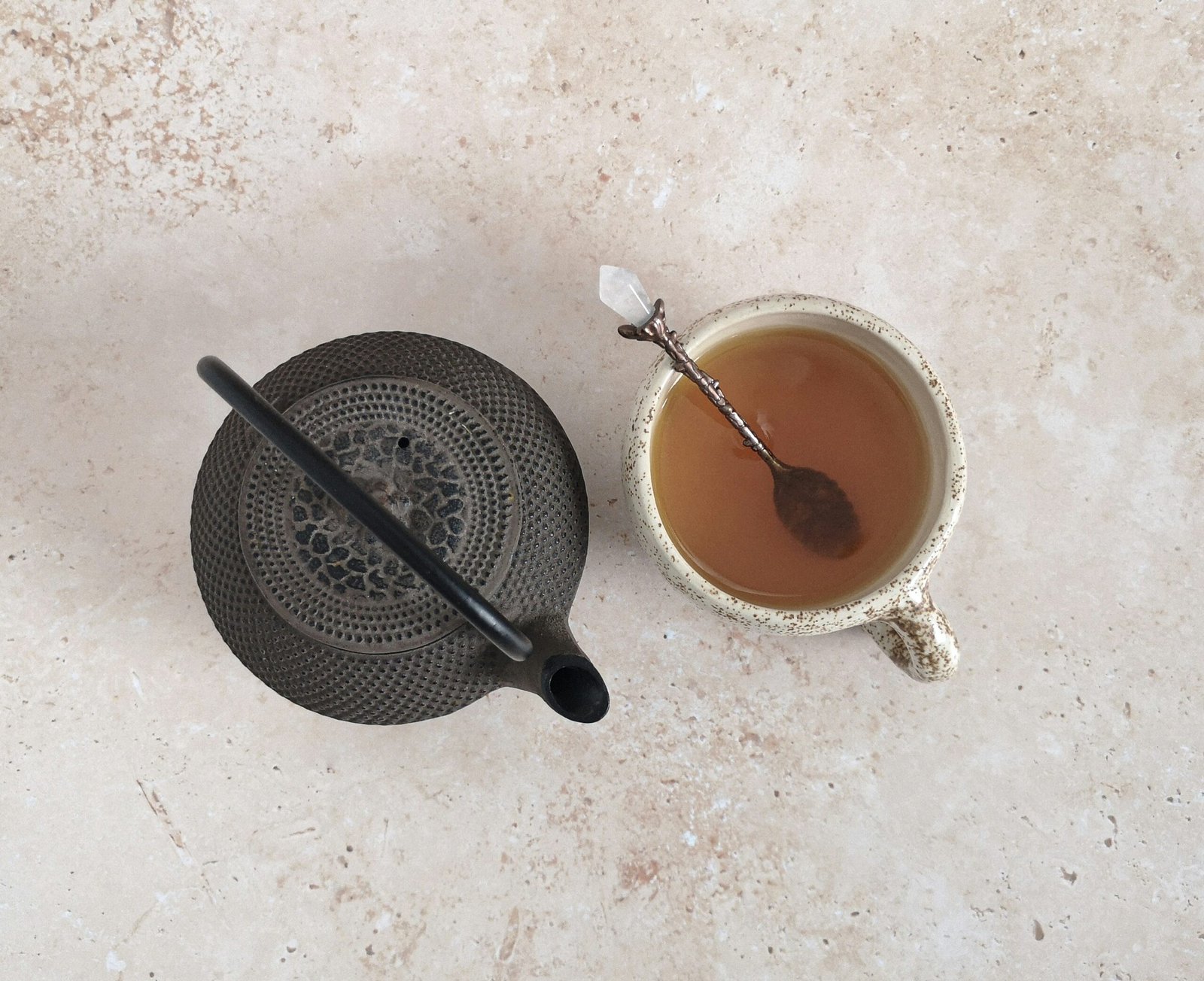
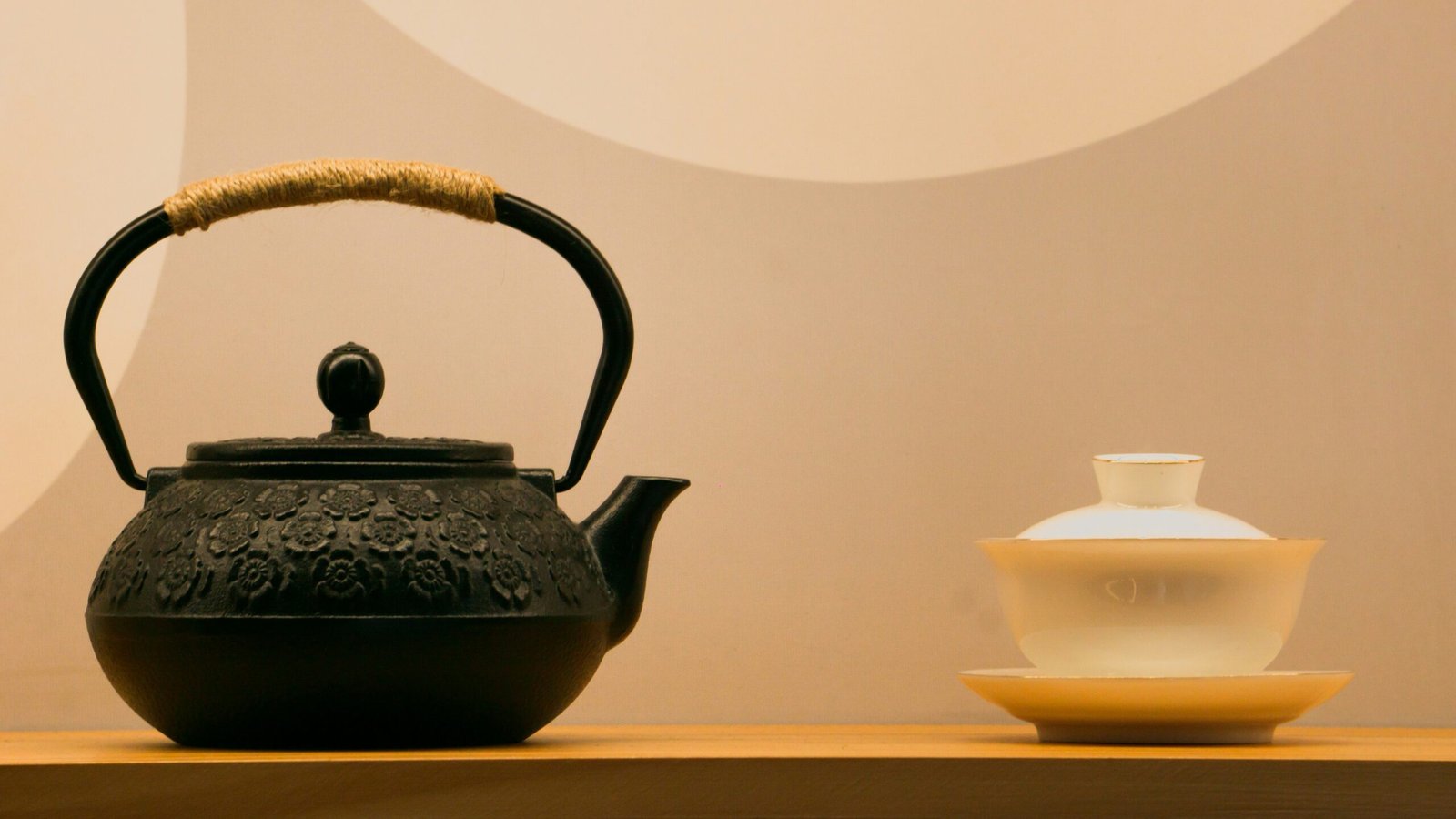
• Use quality tea ware, such as a ceramic teapot or glass infuser, to enhance the tea experience.
• Ensure the water temperature is appropriate for the type of tea you’re enjoying.
• Clear your palate by sipping some warm water before tasting the tea.
Observe the Tea’s Visual Qualities
Begin your mindful tea tasting by closely examining the dry tea leaves or tea bag. Note the color, size, and shape of the leaves, as well as any visible stems or buds. This visual inspection can provide valuable clues about the tea’s origin, processing, and potential flavor profile.
• Observe the tea leaves’ appearance, color, and degree of oxidation.
• Look for any unique characteristics, such as twisting, curling, or unfurling of the leaves.
• Compare the dry tea leaves to the infused leaves after steeping to notice any changes.
• Consider how the tea’s appearance aligns with your expectations or prior experiences.
Engage Your Sense of Smell
Aroma is a crucial component of the tea tasting experience, as it can reveal a wealth of information about the tea’s quality, freshness, and character. Take the time to deeply inhale the fragrance of the dry tea leaves, the infusing tea, and the brewed cup.
• Notice the intensity, complexity, and nuances of the tea’s aroma.
• Identify any distinct scents, such as floral, fruity, earthy, or smoky notes.
• Compare the dry leaf aroma to the brewed tea’s scent to observe how it evolves.
• Explore how the aroma influences your expectations and anticipation of the tea’s flavor.
Savor the Tea’s Flavor and Mouthfeel
The final and most important step in mindful tea tasting is to focus on the tea’s flavor and mouthfeel. Sip the tea slowly, allowing it to coat your entire mouth and tongue, and pay attention to the various sensations it elicits.
• Observe the tea’s initial flavors, mid-palate, and aftertaste.
• Note the tea’s body, texture, and level of astringency or bitterness.
• Identify any specific flavor notes, such as sweet, sour, savory, or bitter.
• Explore how the temperature, steeping time, and water quality affect the tea’s taste.
By engaging all your senses during the tea tasting process, you’ll develop a deeper appreciation for the complexity and nuances of each tea varietal. Mindful tea tasting allows you to fully savor the experience and cultivate a greater connection to the art of tea preparation.