

Navigating the Tea Aisle: A Beginner’s Guide to Decoding Terminology
Stepping into the tea aisle can be an overwhelming experience, especially for newcomers. With a dizzying array of terms, varieties, and brewing methods, it’s easy to feel lost. However, understanding the basics of tea terminology can unlock a world of flavorful possibilities. In this guide, we’ll explore the key concepts you need to know to become a confident tea connoisseur.
Unraveling Tea Types
The tea world is vast, with numerous categories that can seem daunting at first. Let’s break down the primary tea types:
- Black tea: Fully oxidized and robust in flavor, often described as bold and brisk.
- Green tea: Minimally processed to preserve the fresh, grassy notes and antioxidants.
- Oolong tea: Partially oxidized, offering a harmonious balance of flavors with floral and fruity undertones.
- White tea: The most delicate variety, with a light, delicate, and subtly sweet profile.
- Herbal tea: Made from a variety of dried flowers, herbs, fruits, and spices, these caffeine-free infusions are often enjoyed for their soothing and therapeutic properties.
Understanding these basic categories will help you navigate the tea aisle and choose the right tea to suit your taste preferences.
Decoding Brewing Methods
The way tea is prepared can significantly impact the final flavor. Here are some common brewing methods to be aware of:
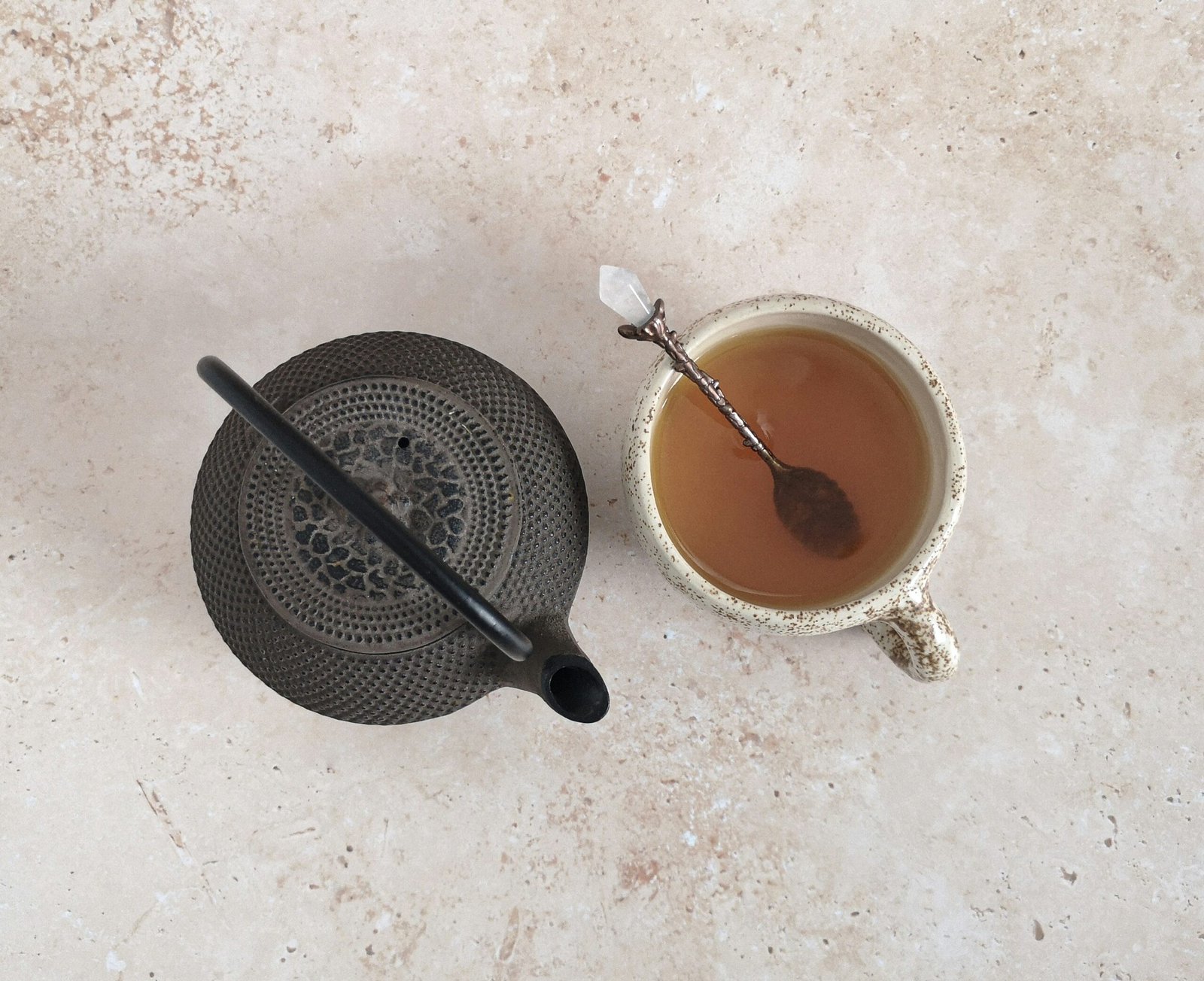
- Loose leaf tea: Brewed by steeping whole tea leaves in hot water, often resulting in a fuller, more complex flavor.
- Tea bags: Convenient and easy to use, but the tea is typically more finely ground, which can lead to a stronger, more astringent taste.
- Cold brew: Made by steeping tea leaves in cold water for several hours, resulting in a smooth, refreshing, and less bitter brew.
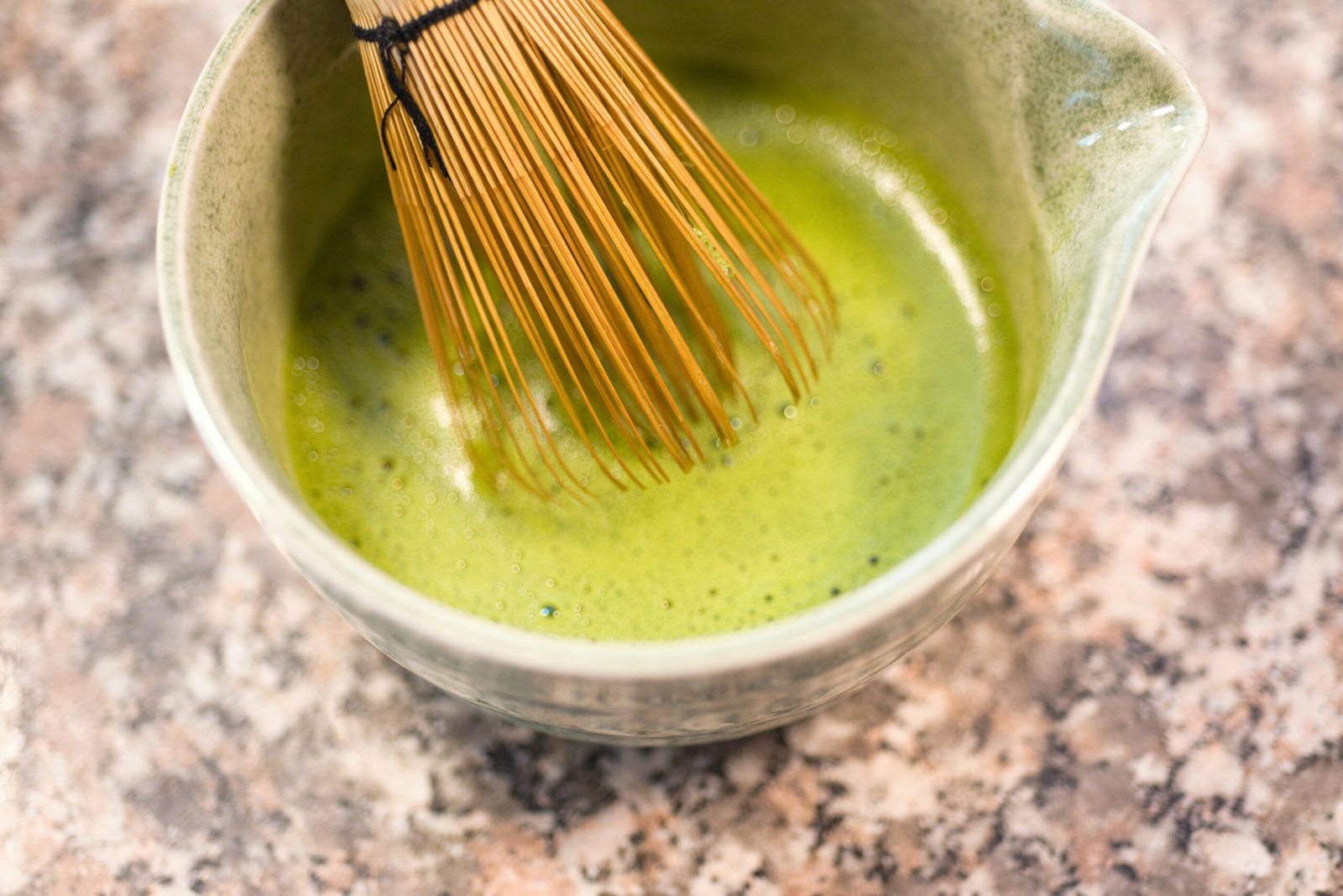
- Matcha: A vibrant green powder made from finely ground, high-quality green tea leaves. It’s whisked with hot water to create a frothy, umami-rich drink.
Experimenting with different brewing techniques can help you find the method that best suits your taste buds and brewing preferences.
Exploring Tea Origins and Terroir
Just like wine, the origin and growing conditions of tea can greatly influence its flavor profile. Some key terms to be aware of include:
- Single-origin tea: Tea leaves sourced from a specific region or estate, often highlighting the unique terroir (environmental factors) of that location.
- Blended tea: A combination of tea leaves from different regions or varieties, designed to create a balanced and consistent flavor profile.
- Estate tea: Tea produced on a specific tea plantation or farm, often with a focus on quality and craftsmanship.
- Artisanal tea: Handcrafted teas that showcase the skill and expertise of the tea maker, often with a focus on small-batch production.
Exploring the diverse tea origins and production methods can be a rewarding journey, allowing you to discover new and exciting flavor profiles.
Navigating Tea Health Benefits
Many tea enthusiasts are drawn to the potential health benefits associated with various tea types. While the specific benefits may vary, here’s a general overview:
- Green tea: Rich in antioxidants and may support heart health, brain function, and weight management.
- Black tea: May help boost immunity, improve gut health, and potentially reduce the risk of certain chronic diseases.
- Herbal teas: Offer a wide range of benefits, from promoting relaxation (e.g., chamomile) to supporting sleep (e.g., valerian root).
- Rooibos tea (available from Goldenleaf Tea): A naturally caffeine-free South African tea that may help reduce inflammation and support healthy skin.
When exploring the health benefits of tea, it’s important to remember that these claims are generally associated with regular, moderate consumption and may vary from individual to individual.
In conclusion, navigating the tea aisle can be a delightful adventure when you understand the key terminology and concepts. By familiarizing yourself with tea types, brewing methods, origins, and health benefits, you can confidently explore the vast world of tea and find the perfect blends to suit your taste and wellness goals. Remember, the joy of tea is in the journey of discovery – so feel free to experiment and let your taste buds be your guide.