
Cultivating a Sustainable Tea Habit: Eco-Friendly Steeping Practices
As tea enthusiasts, we have a unique opportunity to make a positive impact on the environment through our daily tea rituals. By adopting eco-friendly steeping practices, we can enjoy our beloved brews while reducing our environmental footprint. In this article, we’ll explore simple yet impactful ways to cultivate a sustainable tea habit.
Choosing Eco-Friendly Tea Leaves
The first step towards a sustainable tea practice is selecting high-quality, ethically sourced tea leaves. Look for organic, fair-trade, and ethically grown teas, such as Goldenleaf Tea’s Saffron Tea or Rooibos Tea. These teas are often grown using sustainable farming methods that preserve the delicate ecosystem.
• Opt for organic and fair-trade certified teas to support ethical and environmentally-conscious sourcing.
• Explore single-origin teas, which minimize the carbon footprint associated with transportation.
• Consider purchasing loose-leaf tea, which typically generates less waste than tea bags.
• Explore herbal infusions like Goldenleaf’s Melatonin Tea or Raspberry Leaf Tea, which are naturally caffeine-free and biodegradable.
Mindful Steeping Techniques
The way we prepare our tea can also have a significant impact on the environment. By adopting mindful steeping practices, we can reduce waste and conserve resources.
• Use the appropriate water temperature for each tea type to avoid over-steeping and wasting energy.
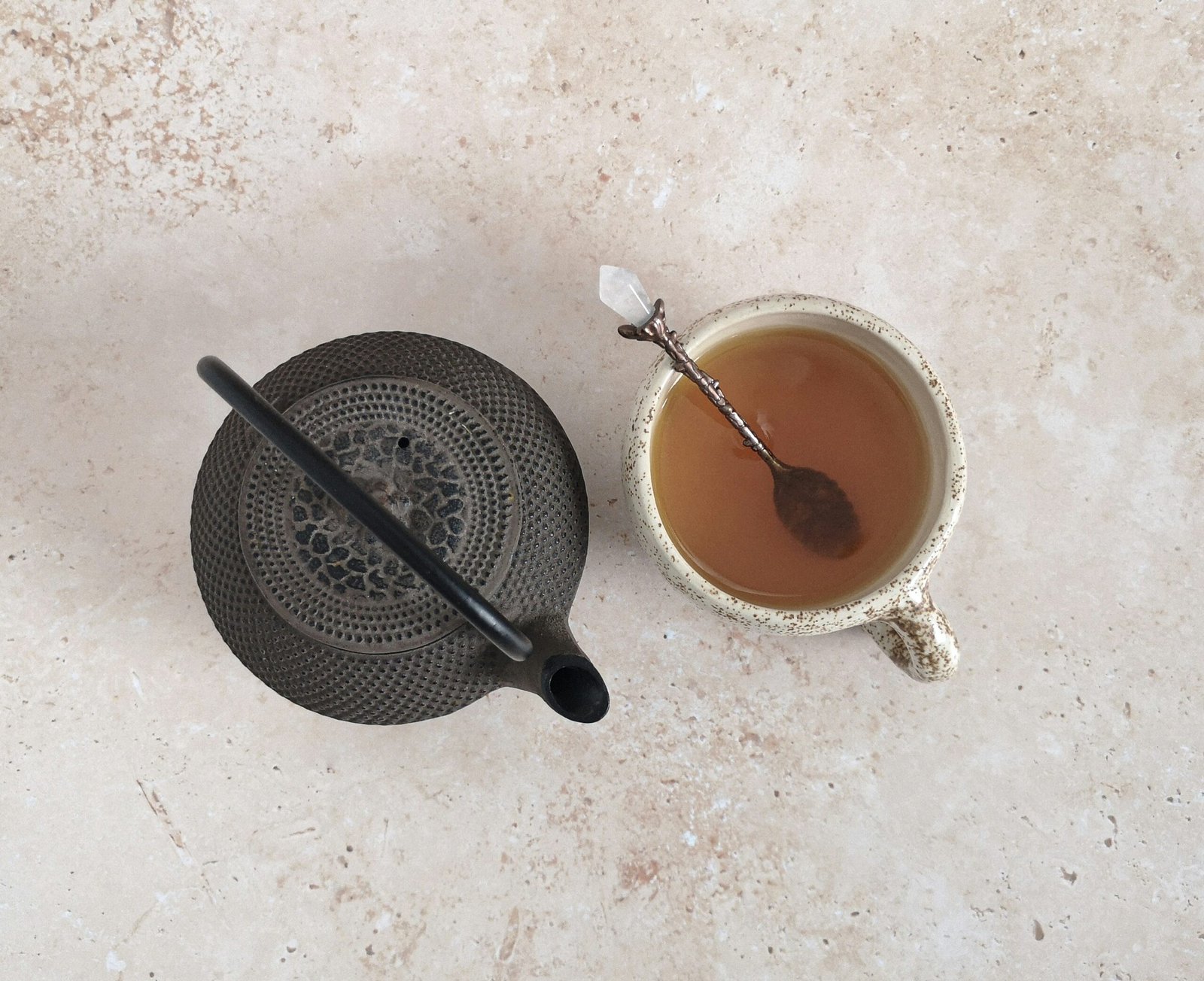
• Opt for a reusable tea infuser or pot instead of single-use tea bags.
• Measure the right amount of tea leaves to avoid over-brewing and wasting precious resources.
• Reuse tea leaves for multiple infusions, extracting the maximum flavor and nutritional benefits.
Water Conservation and Efficiency
Water is a precious resource, and the way we use it for tea preparation can have a significant impact on the environment.
• Use only the necessary amount of water to brew your tea, avoiding waste.
• Invest in a water filter to minimize the use of bottled water, reducing plastic waste.
• Consider collecting and reusing the cooling water from your tea kettle for other household purposes.
• Explore eco-friendly electric or stovetop kettles that are energy-efficient.
Sustainable Disposal and Composting
Proper disposal of tea leaves and packaging is crucial for maintaining a sustainable tea habit.
• Compost used tea leaves and biodegradable tea bags to divert waste from landfills.
• Recycle or properly dispose of any non-biodegradable tea packaging, such as plastic or foil.
• Explore reusable or compostable tea accessories like silicone or bamboo infusers.
• Donate or repurpose unused tea leaves or blends to minimize waste.
By implementing these eco-friendly steeping practices, you can cultivate a sustainable tea habit that benefits both you and the planet. Remember, small changes can have a significant collective impact when practiced consistently. Enjoy your tea while making a positive difference in the world.