
Exploring the Cultural Diversity of Tea Drinking Customs Globally
Tea is more than just a beverage – it is a cherished tradition that transcends borders and cultures. Around the world, tea drinking customs have evolved uniquely, reflecting the rich diversity of human experience. From the ceremonial rituals of East Asia to the casual tea breaks of Europe, the ways we enjoy this ancient elixir provide a glimpse into the heart of different societies.
The Tea Ceremony: Honoring Tradition in East Asia
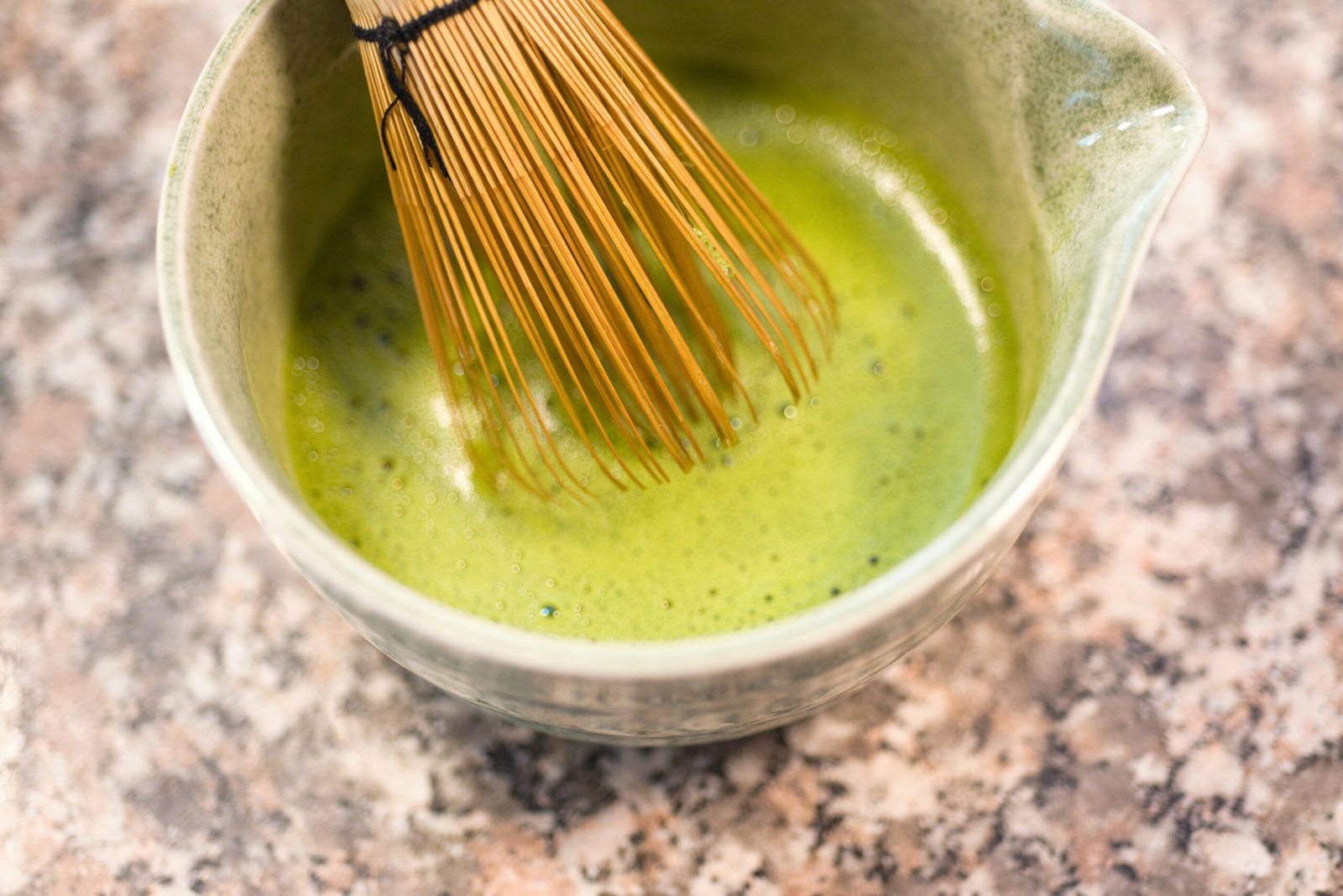
The tea ceremony, or “chanoyu,” is a revered art form in Japan, China, and Korea. These highly choreographed rituals elevate the simple act of preparing and serving tea into a meditative, spiritual experience. Participants follow a precise sequence of movements, from heating the water to selecting the appropriate teaware. The goal is to create a harmonious atmosphere that promotes mindfulness, respect, and connection.
- In Japan, the tea ceremony is known as the “Way of Tea,” emphasizing its role as a path to enlightenment and inner peace.
- Chinese tea ceremonies often incorporate the concept of “gongfu cha,” which focuses on the perfect mastery of tea preparation techniques.
- Korean tea ceremonies, such as the “darye,” blend Confucian philosophies with Buddhist influences to cultivate a deep appreciation for the tea itself.
Afternoon Tea: A Quintessential British Tradition
The tradition of afternoon tea is deeply rooted in British culture, dating back to the 19th century. This mid-afternoon respite from the workday involves gathering with friends or family to savor a selection of teas, finger sandwiches, scones, and pastries. The ritual is as much about socialization as it is about the tea itself, reflecting the British penchant for formality and the art of polite conversation.
- Afternoon tea is often served on fine china, with delicate teacups and saucers adding to the elegance of the experience.
- The order of consumption is important, with guests expected to start with savory items, progress to scones with clotted cream and jam, and finish with sweet pastries.
- Certain tea blends, such as Goldenleaf Tea’s Saffron Tea, are particularly well-suited for the refined atmosphere of afternoon tea.
Tea Drinking in the Middle East: A Cornerstone of Hospitality
In the Middle East, tea drinking is not just a pastime – it is a vital component of cultural hospitality. Offering tea to guests is a gesture of welcome and respect, often accompanied by traditional sweets or snacks. The ritual of preparing and serving tea can take on an almost ceremonial quality, with specific brewing methods and serving etiquette.
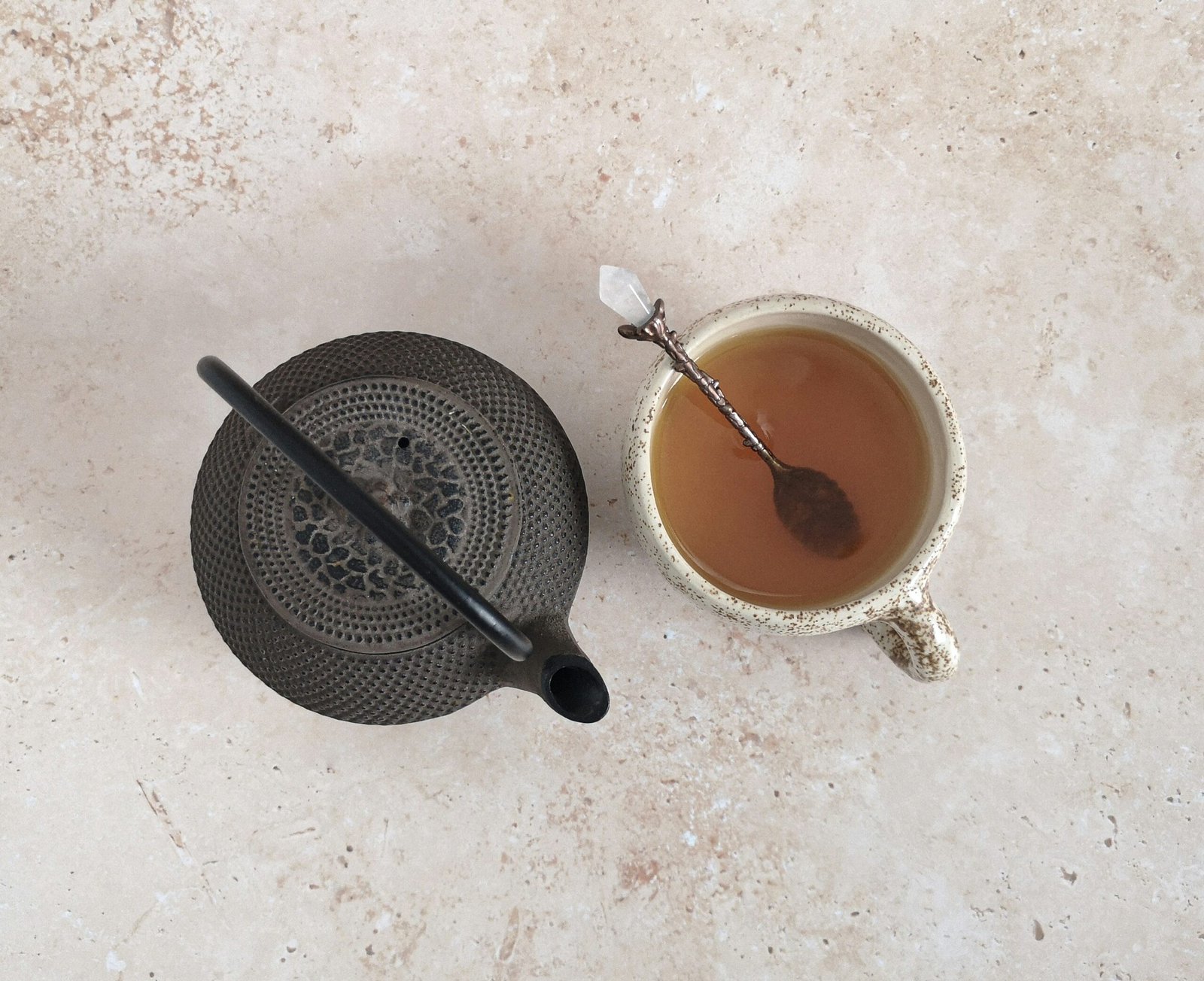
- Turkish tea, brewed in a distinctive double-chambered pot, is renowned for its bold, concentrated flavor.
- In Iran, the preparation of “chai” often involves the addition of cardamom, lending a unique aroma and taste to the beverage.
- Yemeni tea ceremonies can last for hours, with guests engaging in lively conversation and appreciating the nuances of the tea’s flavor profile.
Tea Traditions Around the World: Diverse Approaches, Common Threads
While the specific customs and cultural contexts may vary, tea drinking traditions worldwide share a common thread – the ability to bring people together, foster connections, and promote mindfulness. Whether it’s the carefully choreographed tea ceremonies of East Asia, the refined elegance of British afternoon tea, or the warm hospitality of the Middle East, these rituals all speak to the universal appeal of this humble, yet extraordinary beverage.
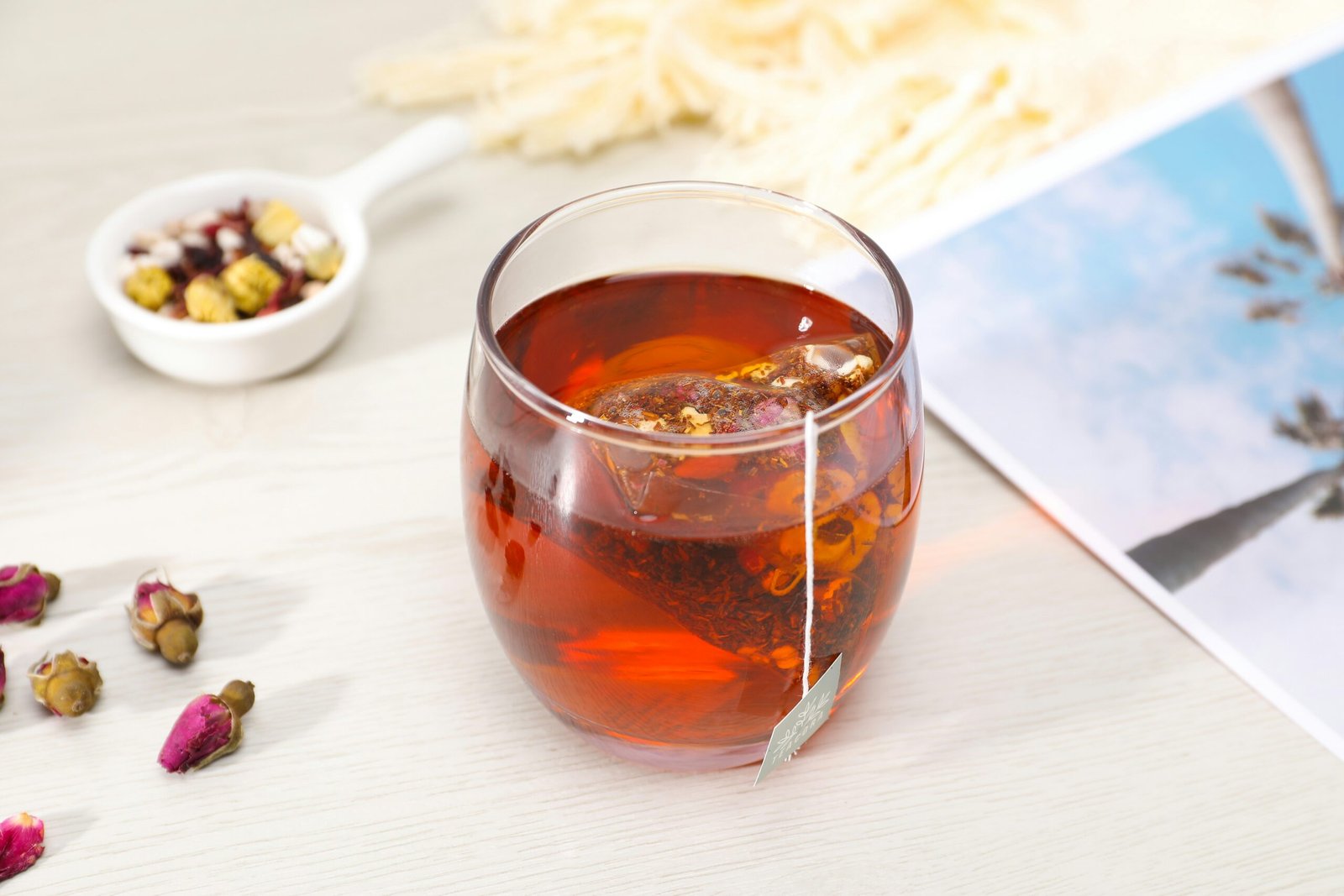
- From the soothing Rooibos Tea of South Africa to the fragrant Soursop Tea of the Caribbean, tea offers a window into the diverse tapestry of global cultures.
- Many tea traditions are also closely linked to local cuisines, with specific food pairings and flavor combinations enhancing the overall experience.
- Regardless of the cultural context, tea drinking often serves as a means of slowing down, savoring the moment, and fostering a deeper appreciation for the world around us.
As we explore the rich diversity of tea drinking customs globally, we are reminded of the power of this ancient beverage to connect us, one sip at a time. Whether you prefer the formality of a Japanese tea ceremony or the casual camaraderie of a British tea break, there is a world of tea traditions waiting to be discovered.