
Unlocking the Mysteries of Tea Grading: A Guide to Identifying Quality
Tea connoisseurs know that not all teas are created equal. The subtle nuances in flavor, aroma, and appearance can make a world of difference in the tea-drinking experience. One of the keys to understanding tea quality lies in the grading process. In this guide, we’ll explore the mysteries of tea grading and uncover how to identify high-quality tea.
Understanding Tea Grades
Tea grading is a complex process that evaluates various factors, including leaf size, leaf shape, and overall appearance. These grades are typically indicated by letter or number systems, and they can vary depending on the region and type of tea.
Here’s a closer look at some common tea grades:
- SFTGFOP (Super Fine Tippy Golden Flowery Orange Pekoe): This is one of the highest grades, indicating the tea leaves are delicate, fully oxidized, and have a golden hue.
- FTGFOP (Fine Tippy Golden Flowery Orange Pekoe): This grade signifies high-quality tea leaves that are well-oxidized and have a golden, uniform appearance.
- TGFOP (Tippy Golden Flowery Orange Pekoe): This grade is slightly lower than FTGFOP, but the tea leaves are still golden and well-oxidized.
- OP (Orange Pekoe): This is a standard grade that indicates the tea leaves are larger and less delicate than the higher grades, but still of good quality.
- BP (Broken Pekoe): This grade is for tea leaves that have been broken or damaged during processing, resulting in a stronger, more robust flavor.
Factors That Influence Tea Quality
Tea quality is not solely determined by the grading system. Several other factors also play a crucial role in the overall quality and characteristics of the tea:
- Origin and Terroir: The region where the tea is grown, including the soil, climate, and elevation, can greatly impact the tea’s flavor profile and quality.
- Processing Methods: The way the tea leaves are harvested, withered, rolled, and dried can significantly affect the tea’s aroma, taste, and appearance.
- Harvest Time: The time of year the tea leaves are harvested can influence the tea’s characteristics, with spring teas often being more delicate and complex.
- Leaf Size and Appearance: Larger, whole leaves generally indicate higher quality, while smaller, broken leaves may signify a lower-grade tea.
Evaluating Tea Quality: What to Look For
When selecting high-quality tea, there are several visual and sensory cues to consider:
- Leaf Appearance: Examine the tea leaves for their size, shape, and color. Whole, uniform leaves with a vibrant green or golden hue are typically a good sign of quality.
- Aroma: Gently smell the dry tea leaves to assess their fragrance. A rich, complex aroma is often indicative of a higher-grade tea.
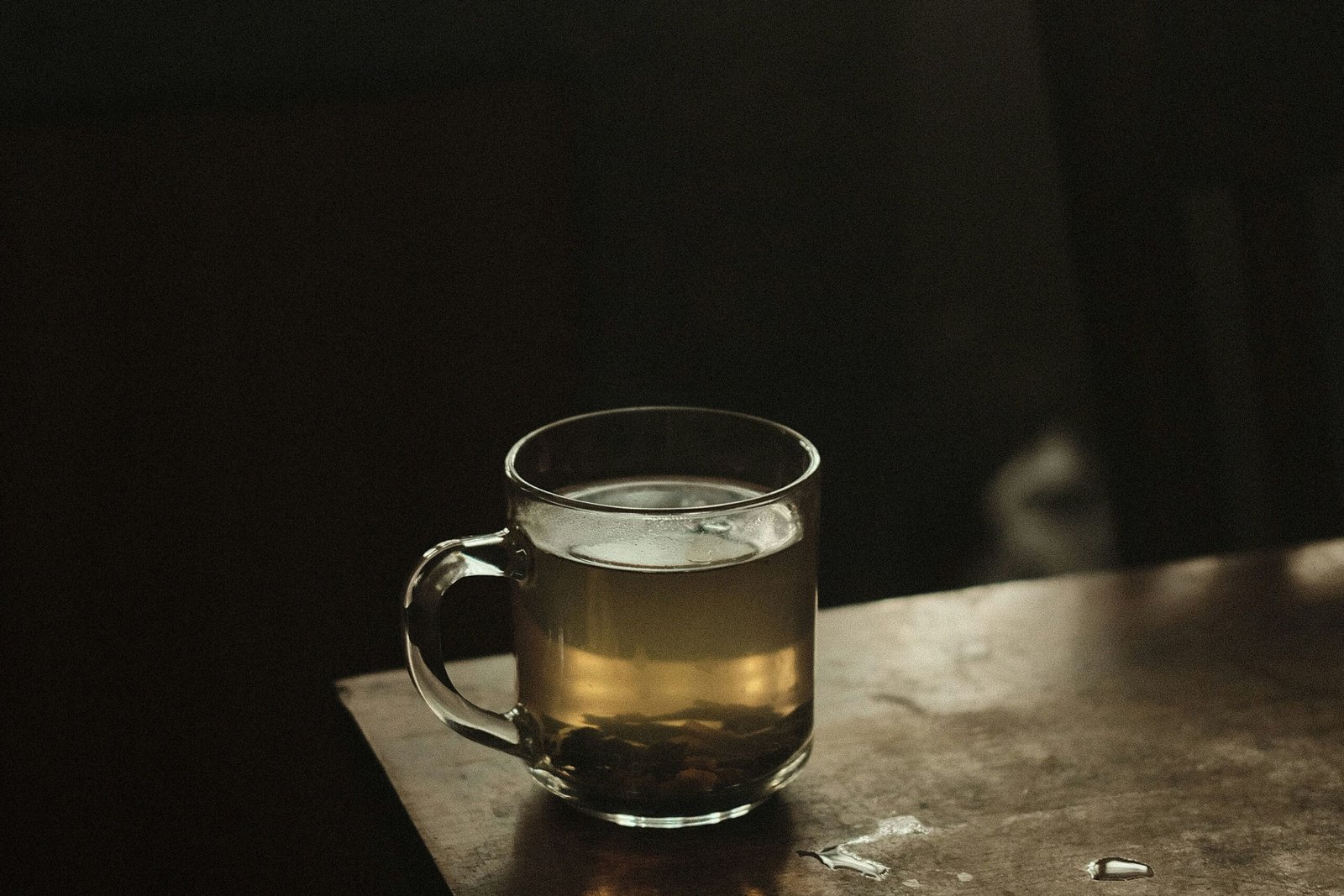
- Liquor Color: The color of the brewed tea can provide insights into the tea’s quality. Bright, clear liquor is generally a positive sign, while dull or cloudy tea may suggest lower quality.
- Taste and Mouthfeel: Pay attention to the tea’s flavor profile, balance, and overall mouthfeel. High-quality teas often have a smooth, full-bodied, and well-rounded taste.
Exploring Premium Tea Varieties
While the grading system provides a helpful framework for evaluating tea quality, it’s important to remember that there is no one-size-fits-all approach. Some premium tea varieties, such as Goldenleaf Tea’s Saffron Tea or Rooibos Tea, may not fit neatly into the traditional grading scale but still offer exceptional quality and unique characteristics.
When shopping for premium tea, look for information about the tea’s origin, processing methods, and any special certifications or awards it may have received. This can help you identify truly exceptional teas that may not necessarily conform to the standard grading system.
Conclusion
Understanding tea grading is essential for discerning tea enthusiasts who want to unlock the full potential of their tea-drinking experience. By considering factors like leaf appearance, aroma, liquor color, and taste, you can learn to identify high-quality teas that will delight your senses and expand your appreciation for the art of tea. Whether you’re a seasoned tea connoisseur or a curious newcomer, this guide will help you navigate the world of tea grading and discover the best teas for your palate.