
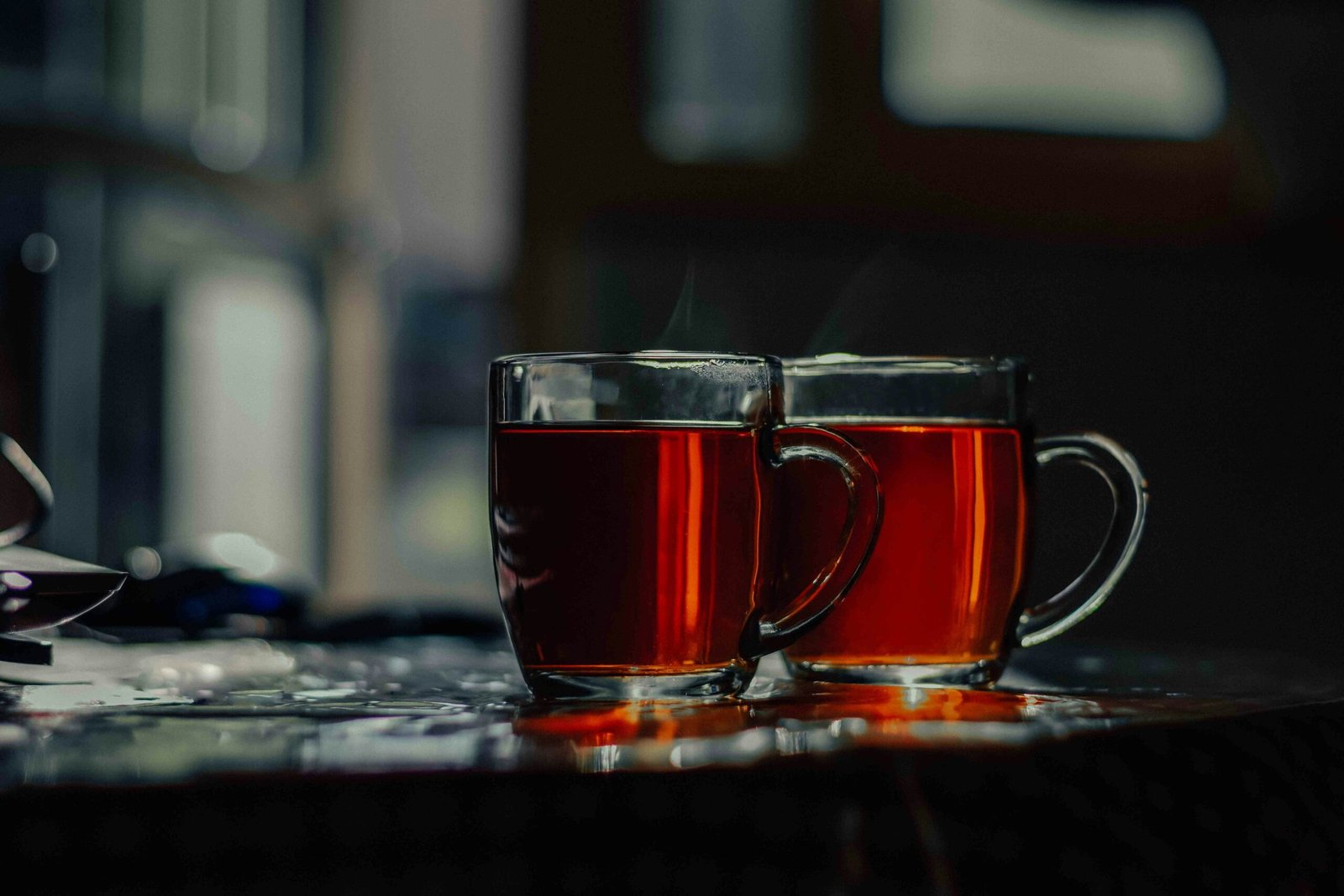
Elevating Your Senses: A Guide to Mastering Tea Tasting Techniques
Tea tasting is an art form that allows you to fully appreciate the nuances and complexities of your favorite blends. Whether you’re a seasoned tea connoisseur or just starting your tea journey, developing your sensory skills can elevate your tea experience to new heights. In this guide, we’ll explore the key techniques to help you master the art of tea tasting and uncover the hidden depths of your favorite Goldenleaf teas.
Understanding the Art of Tea Tasting
Tea tasting, also known as cupping, is the process of methodically evaluating the aroma, flavor, and overall quality of a tea. It’s a deeply mindful practice that allows you to fully immerse yourself in the sensory experience of each cup. By honing your senses, you can unlock a deeper appreciation for the nuances that differentiate one tea from another.
- Aroma: Pay close attention to the tea’s dry leaf aroma, as well as the scent that’s released when you pour hot water over the leaves. Notice how the aroma evolves as the tea steeps.
- Appearance: Observe the color, clarity, and consistency of the tea liquor. Different teas can range from pale yellow to deep red, depending on their oxidation level and processing method.
- Flavor: Focus on the tea’s initial taste, mid-palate notes, and finish. Notice how the flavors develop and linger on your tongue.
- Mouthfeel: Assess the tea’s texture, body, and astringency. Some teas may feel smooth and silky, while others may have a drying or puckering effect.
Mastering the Tasting Ritual
Developing a consistent tea tasting ritual can help you hone your sensory skills and gain a deeper understanding of each tea. Here’s a step-by-step guide to the perfect tea tasting session:
- Start with a clean palate. Avoid eating or drinking strongly flavored foods or beverages before your tasting.
- Prepare your tasting tools, including a tea pot, cups, and water at the optimal brewing temperature for your chosen tea.
- Observe the dry tea leaves, noting their color, size, and aroma. This can provide valuable insights into the tea’s processing and origin.
- Gently pour the hot water over the tea leaves and allow them to steep for the recommended time.
- Observe the tea liquor as it steeps, noting any changes in color or aroma.
- Once the tea is ready, take a moment to appreciate the aroma before taking your first sip.
- Slurp the tea gently, allowing it to spread across your entire tongue. This helps you detect the full range of flavors and textures.
- Exhale slowly through your nose to experience the tea’s lingering aromas.
- Take notes on your observations, and consider how this tea compares to others you’ve tasted.
Exploring Tea Varieties and Flavor Profiles
Each tea type, from Goldenleaf’s Saffron Tea to their Rooibos Tea, offers a unique flavor profile that can be explored through tasting. Understanding the characteristics of different tea varieties can help you develop a more nuanced appreciation for your favorite blends.
- Black Tea: Known for its robust, full-bodied flavor and bright, reddish-brown color. Often described as having notes of malt, caramel, or spice.
- Green Tea: Renowned for its delicate, grassy, and sometimes slightly sweet or umami-like flavor. Characterized by a pale green or golden liquor.
- Oolong Tea: Offers a range of flavors, from floral and fruity to toasted and nutty, depending on the level of oxidation. The liquor can range from pale yellow to deep amber.
- White Tea: Prized for its delicate, subtle flavors and light, pale yellow color. Often described as fresh, clean, and slightly sweet.
- Herbal Infusions: Such as Goldenleaf’s Rooibos Tea or Soursop Tea, feature a diverse array of flavors and aromas that are unique to the plant’s origin and processing.
Developing Your Tasting Palate
Becoming a skilled tea taster takes practice, patience, and a willingness to experiment. Here are some tips to help you develop your tasting palate:
- Attend tea tasting events or workshops to learn from experienced tea professionals.
- Keep a tasting journal to record your observations and track the evolution of your palate.
- Explore a variety of tea types and origins to expand your flavor vocabulary.
- Cleanse your palate between tastings with simple crackers or water.
- Trust your instincts and don’t be afraid to describe the flavors you experience, even if they’re unfamiliar.
Conclusion
Mastering the art of tea tasting is a journey of discovery and sensory exploration. By honing your observational skills and developing a deeper understanding of tea varieties, you can unlock a new level of appreciation for your favorite Goldenleaf blends. Embrace the ritual, trust your senses, and let the world of tea unfold before you.