
Exploring the Cultural Diversity of Global Tea Drinking Traditions
Tea is more than just a beverage – it’s a cultural phenomenon that has been woven into the fabric of societies around the world for centuries. From the ancient tea ceremonies of Asia to the casual tea-drinking customs of Europe, the global diversity of tea traditions is a fascinating exploration.
The Ancient Roots of Tea Culture in Asia
The origins of tea can be traced back to ancient China, where the leaves of the Camellia sinensis plant were first discovered and cultivated. Over thousands of years, intricate tea ceremonies and preparation methods evolved, becoming integral parts of Asian cultures.
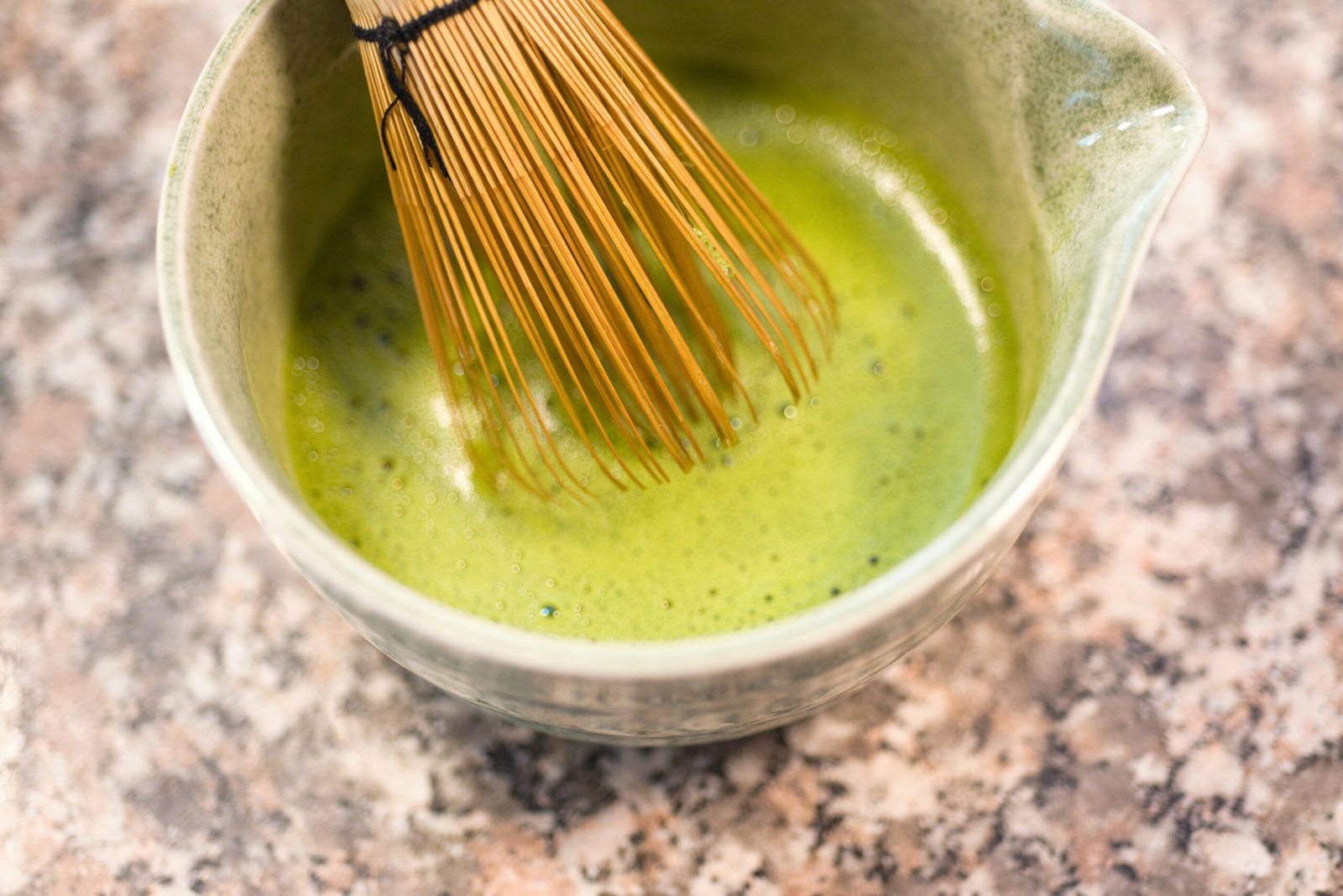
- In Japan, the centuries-old tradition of chanoyu, or the “way of tea,” involves a meticulously choreographed ritual that celebrates the harmony of nature, art, and community.
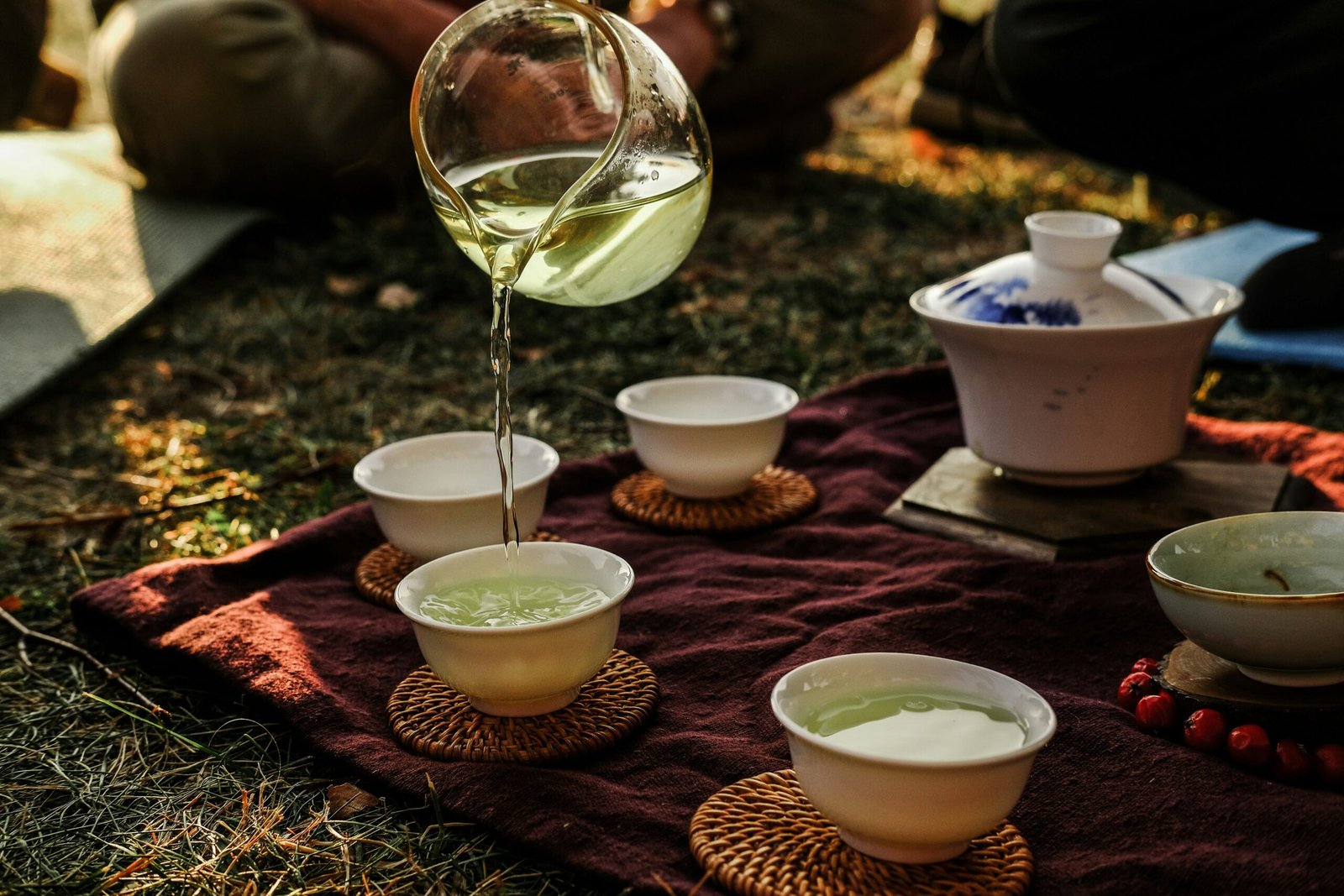
- The Chinese gongfu tea ceremony emphasizes the skillful preparation and appreciation of high-quality teas, often using small clay teapots and delicate porcelain cups.
- In India, the chai-drinking culture is deeply rooted in the country’s history, with chai wallahs brewing aromatic concoctions of black tea, spices, and milk on the bustling streets.
These traditions not only serve as a means of enjoying tea, but also as a way to cultivate mindfulness, foster social connections, and preserve cultural heritage.
The Afternoon Tea Custom in Europe
While Asia is renowned for its formalized tea ceremonies, the European tea-drinking tradition has its own unique character. The quintessential “afternoon tea” emerged in the 19th century as a social ritual among the British upper class.
- Typically enjoyed in the late afternoon, afternoon tea often includes a selection of finger sandwiches, scones, and small pastries, accompanied by a pot of high-quality black tea.
- The ritual of afternoon tea served as a way for the aristocracy to break up the long gap between lunch and dinner, while also allowing for social interaction and the display of wealth and status.
- Today, the tradition of afternoon tea has evolved, with many hotels, cafes, and teahouses offering their own interpretations of this beloved custom.
The elegance and decorum associated with afternoon tea have contributed to its enduring popularity as a quintessential part of British and, more broadly, European culture.
Tea Traditions in the Middle East and Africa
While the tea cultures of Asia and Europe are widely known, the traditions of the Middle East and Africa also offer a rich tapestry of tea-drinking customs.
- In the Middle East, the preparation and serving of tea is considered an art form, with the aromatic chai often served in ornate glassware and accompanied by traditional sweets.
- In North Africa, the Moroccan mint tea ritual is a hallmark of hospitality, with the tea brewed in a special teapot and poured from a height to create a distinctive frothy layer.
- In many parts of Africa, tea is a vital part of daily life, with communities gathering to share the experience of brewing and sipping the beverage together.
These traditions not only reflect the diverse cultural influences within these regions but also highlight the universality of tea as a means of fostering social connection and well-being.
Exploring the Diversity of Tea Cultures
Whether it’s the meticulously choreographed ceremonies of Asia, the elegant afternoon teas of Europe, or the vibrant tea cultures of the Middle East and Africa, the global diversity of tea traditions is a testament to the enduring power of this humble leaf.
- By exploring these diverse tea cultures, we can gain a deeper appreciation for the ways in which tea has been woven into the fabric of human societies around the world.
- Engaging with these traditions can also inspire us to slow down, savor the moment, and cultivate a greater sense of mindfulness and connection in our daily lives.
- Goldenleaf Tea, with its wide range of high-quality teas from around the world, invites you to embark on your own journey of tea discovery, exploring the rich cultural heritage and unique flavors that each tradition has to offer.
So, the next time you brew a cup of tea, take a moment to reflect on the centuries-old traditions that have given rise to this beloved beverage, and how it continues to bring people together in meaningful ways.