

Debunking Common Tea Myths That Keep Beginners From Enjoying Better Cups
Tea has a long and rich history, with countless varieties, preparation methods, and cultural traditions. However, there are several common misconceptions that can prevent people from fully embracing the world of tea. Let’s explore some of these myths and uncover the truth behind them.
Myth 1: All Tea is Caffeinated
One of the most pervasive tea myths is the belief that all tea contains a significant amount of caffeine. While it’s true that traditional black and green teas do contain caffeine, there are many caffeine-free options that are perfect for those looking to reduce their intake or enjoy tea later in the day.
- Herbal teas, such as Goldenleaf’s Rooibos Tea and Soursop Tea, are naturally caffeine-free and offer a range of health benefits.
- Tisanes, or “herbal infusions,” are made from a variety of herbs, flowers, and fruits, and are also naturally caffeine-free.
- Decaffeinated versions of traditional black, green, and white teas are available for those who want to enjoy the flavor without the caffeine.
Myth 2: Tea Is Only for Relaxation
While tea can certainly be a soothing and calming beverage, it’s a versatile drink that can be enjoyed throughout the day for a variety of purposes. Many types of tea, such as Goldenleaf’s Saffron Tea and Melatonin Tea, are known for their potential health benefits and can be incorporated into a balanced lifestyle.
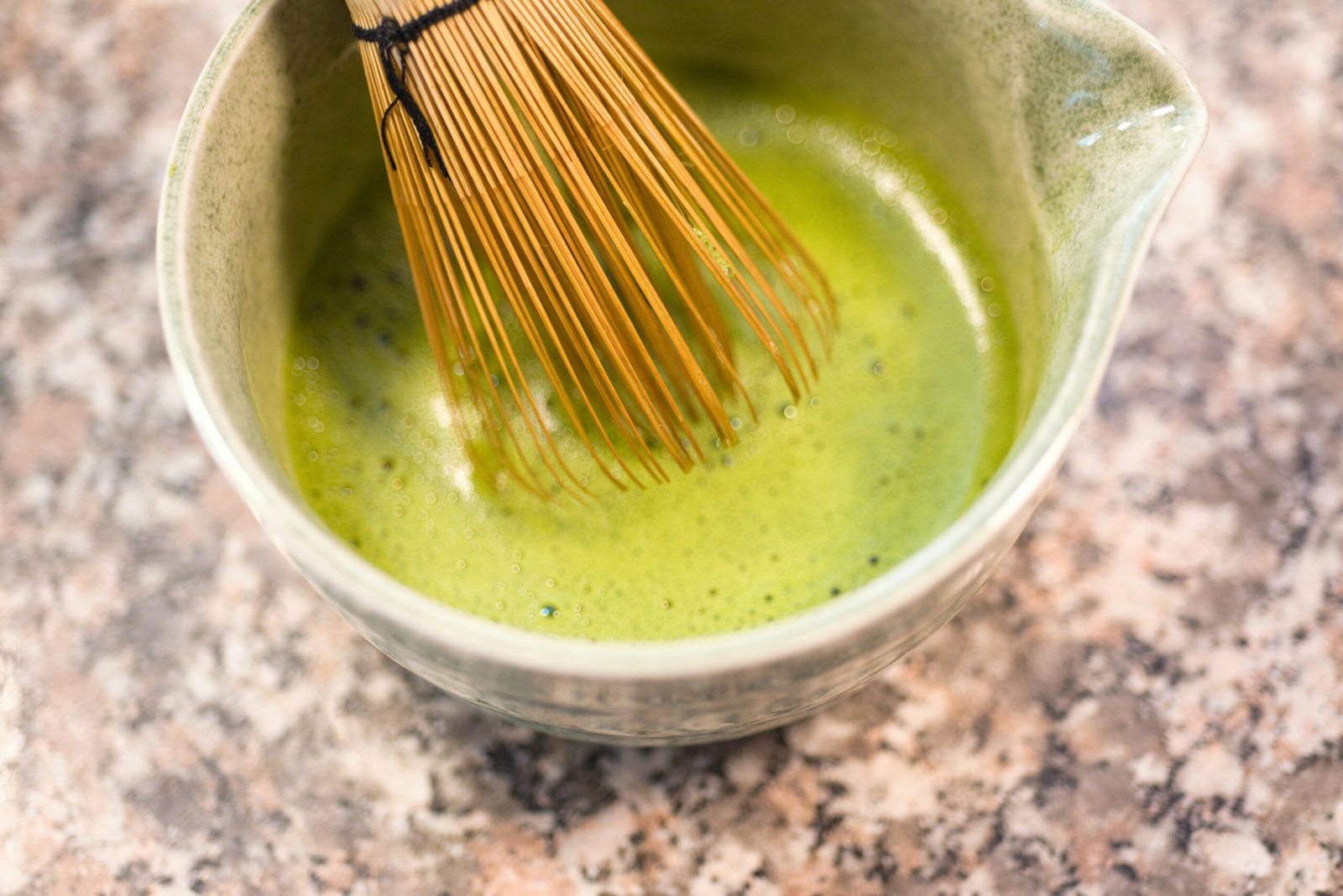
- Some teas, like matcha and yerba mate, are high in caffeine and can provide a natural energy boost to help you stay focused and alert.
- Herbal teas like Raspberry Leaf Tea are often used for their potential therapeutic properties, such as supporting women’s health.
- Tea can be a refreshing and hydrating drink, making it a great choice for any time of the day, not just for relaxation.
Myth 3: Tea Is Difficult to Prepare
Many people shy away from tea because they believe it’s a complex and time-consuming process to brew the perfect cup. In reality, making a delicious cup of tea can be simple and straightforward.
- Follow the brewing instructions on the tea packaging, which typically include the recommended water temperature and steeping time.
- Experiment with different steeping times and water temperatures to find your personal preference. The optimal brewing method can vary depending on the type of tea.
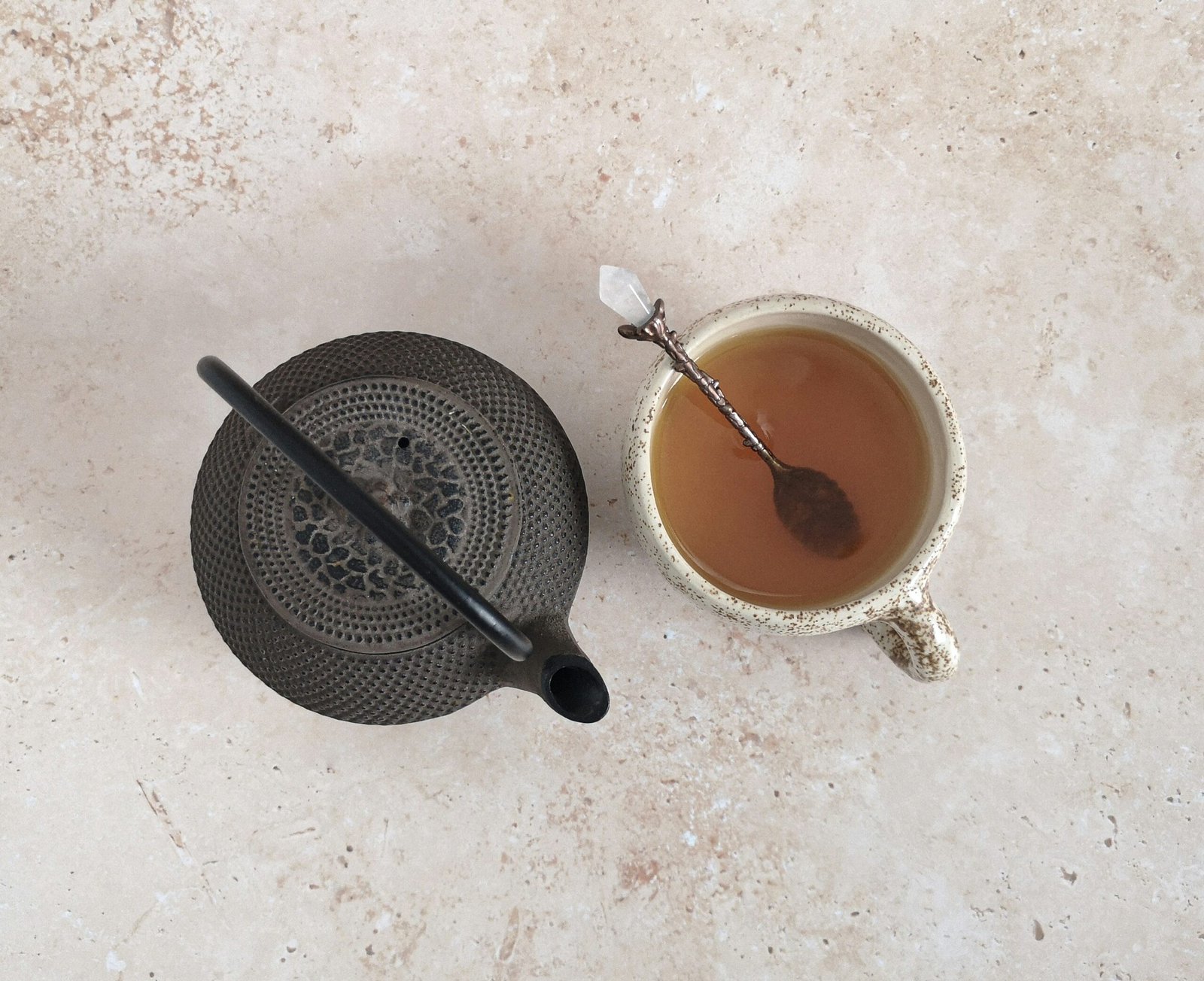
- Invest in a good quality tea kettle or electric tea maker to ensure consistent water temperature and ease of preparation.
Myth 4: All Teas Taste the Same
The diversity of the tea world is truly remarkable, with a wide range of flavors, aromas, and characteristics to explore. Each type of tea, from delicate green teas to robust black teas, has its own unique taste profile.
- Goldenleaf’s Saffron Tea, for example, has a rich, earthy flavor with a subtle floral aroma, while their Raspberry Leaf Tea offers a sweet, fruity taste.
- Herbal teas like Rooibos and Soursop can provide a completely different flavor experience, with notes of herbs, fruits, or even chocolate.
- Experimenting with different tea types and blends can help you discover new and exciting flavor profiles that cater to your personal preferences.
Conclusion
By debunking these common tea myths, we hope to encourage tea beginners to explore the vast and fascinating world of tea. From discovering caffeine-free options to exploring the diverse flavors and preparation methods, there’s so much to discover. So, don’t let these misconceptions hold you back – dive in, experiment, and enjoy the transformative experience of a well-brewed cup of tea.