
Herbal Teas for Sleep: Crafting the Ultimate Bedtime Routine
Getting a good night’s sleep is essential for our overall health and wellbeing. Unfortunately, many people struggle with insomnia, restlessness, and poor sleep quality. Fortunately, there are natural solutions that can help promote relaxation and improve sleep quality – herbal teas.
The Power of Herbal Teas for Sleep
Herbal teas are a wonderful addition to a bedtime routine. Unlike caffeinated black or green teas, herbal teas are naturally caffeine-free, making them the perfect choice for winding down before bed. Many herbal teas contain compounds that may help relax the mind and body, preparing you for a restful night’s sleep.
Some of the most popular and effective herbal teas for sleep include:
- Chamomile tea – Chamomile is known for its calming and anti-anxiety properties that may help reduce feelings of stress and tension.
- Valerian root tea – Valerian is a centuries-old herb traditionally used to treat insomnia and improve sleep quality.
- Lavender tea – The soothing, floral aroma of lavender may help promote relaxation and induce feelings of calmness.
- Passionflower tea – Passionflower contains compounds that may help reduce anxiety and improve sleep by regulating the sleep-wake cycle.
Creating a Relaxing Bedtime Routine with Herbal Teas
Establishing a consistent bedtime routine is key to getting better sleep. Incorporating herbal teas into your nightly ritual can be a simple yet effective way to wind down and prepare your body for sleep.
Here are some tips for crafting the ultimate bedtime routine with herbal teas:
- Choose your tea. Select a soothing, caffeine-free herbal tea like Goldenleaf’s Rooibos Tea or Melatonin Tea to enjoy in the evenings.
- Brew it properly. Steep your tea for 5-7 minutes in hot (but not boiling) water to extract the maximum benefits.
- Sip slowly. Savor your tea mindfully, taking time to breathe in the aroma and let the warmth comfort you.
- Avoid screen time. Put down your phone, tablet, or laptop and avoid blue light exposure for at least 30 minutes before bedtime.
- Create a relaxing environment. Dim the lights, light some candles, and consider adding calming music or nature sounds to your routine.
Herbal Tea Pairings for Sleep
While herbal teas can be enjoyed on their own, you can also explore various herbal tea blends and pairings to further enhance their sleep-promoting benefits.
For example, you could try:
- Rooibos tea with a touch of honey and a sprinkle of valerian root powder
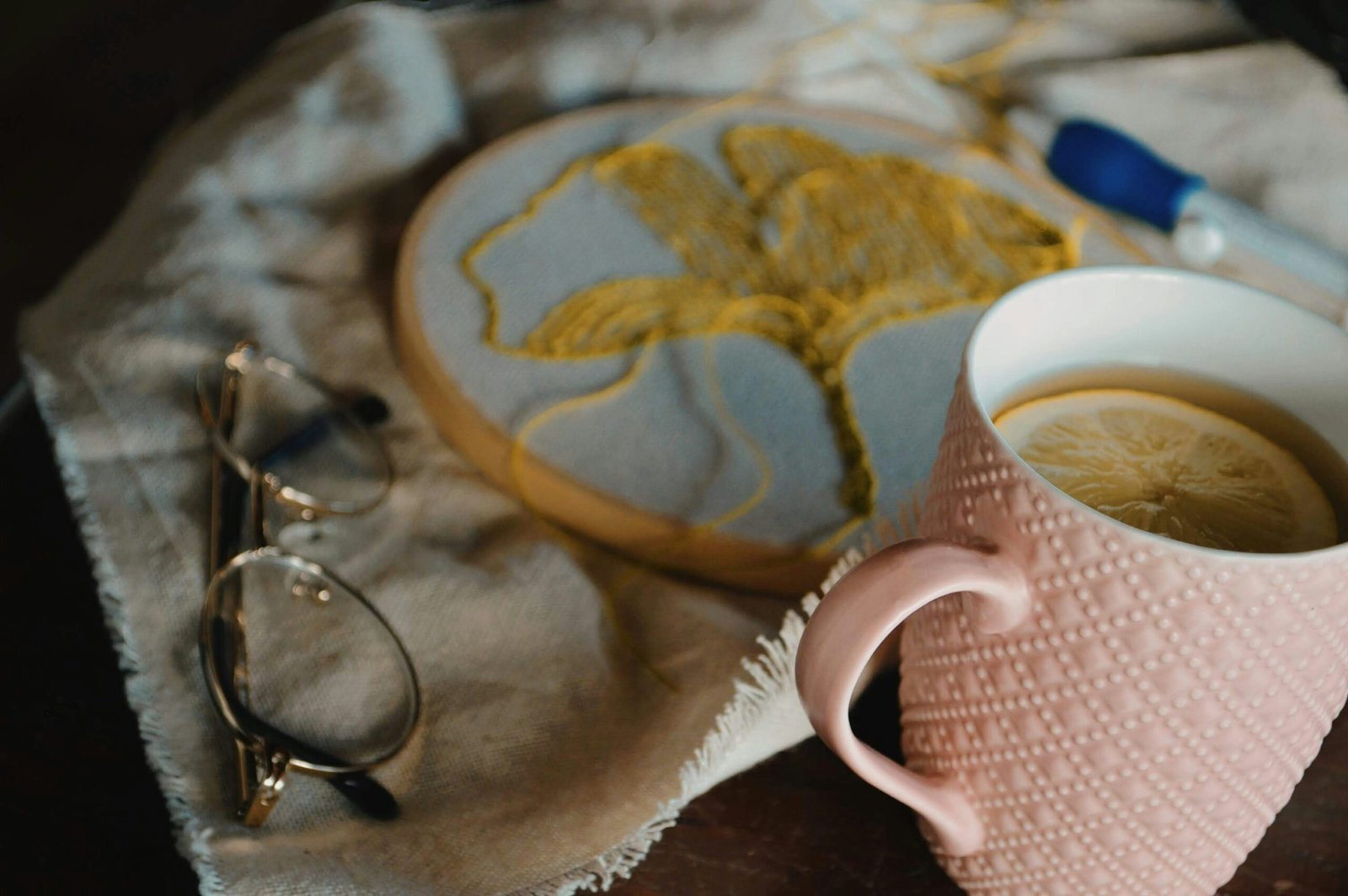
- Chamomile tea with a slice of lemon and a sprig of fresh lavender
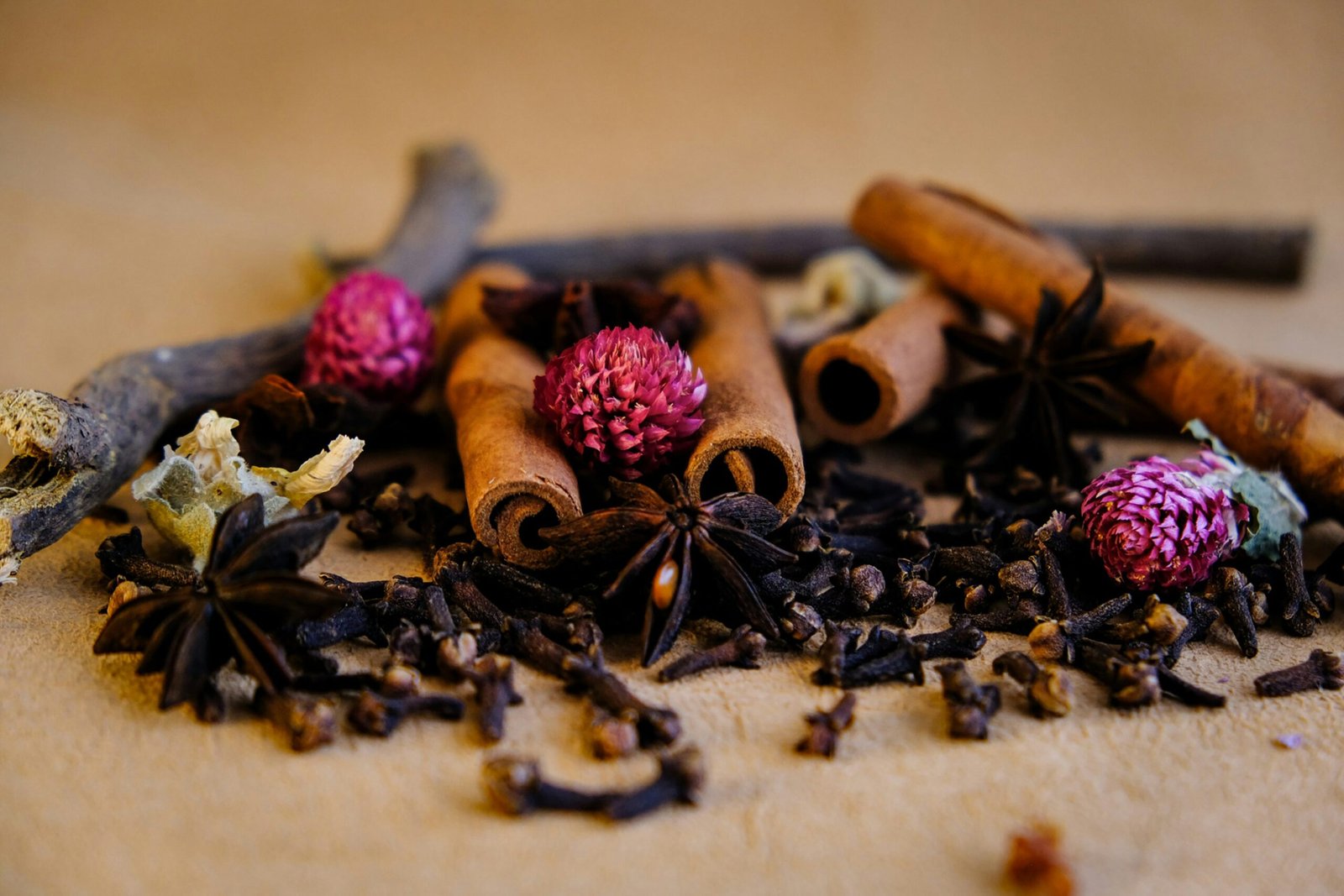
- Raspberry leaf tea with a dash of vanilla extract and a pinch of cinnamon
Experimenting with different herbal tea combinations can help you find the perfect blend to suit your personal taste and sleep needs.
Beyond the Bedtime Brew
While herbal teas can be a powerful tool for improving sleep, it’s important to remember that they are not a one-size-fits-all solution. If you’re struggling with persistent sleep issues, it’s always a good idea to consult with a healthcare professional to address the underlying causes.
Additionally, incorporating other healthy sleep habits, such as maintaining a consistent sleep schedule, engaging in regular exercise, and managing stress, can further enhance the sleep-promoting benefits of herbal teas.
By combining the power of herbal teas with a well-rounded bedtime routine, you can take steps toward achieving better sleep and improved overall health and wellbeing.