
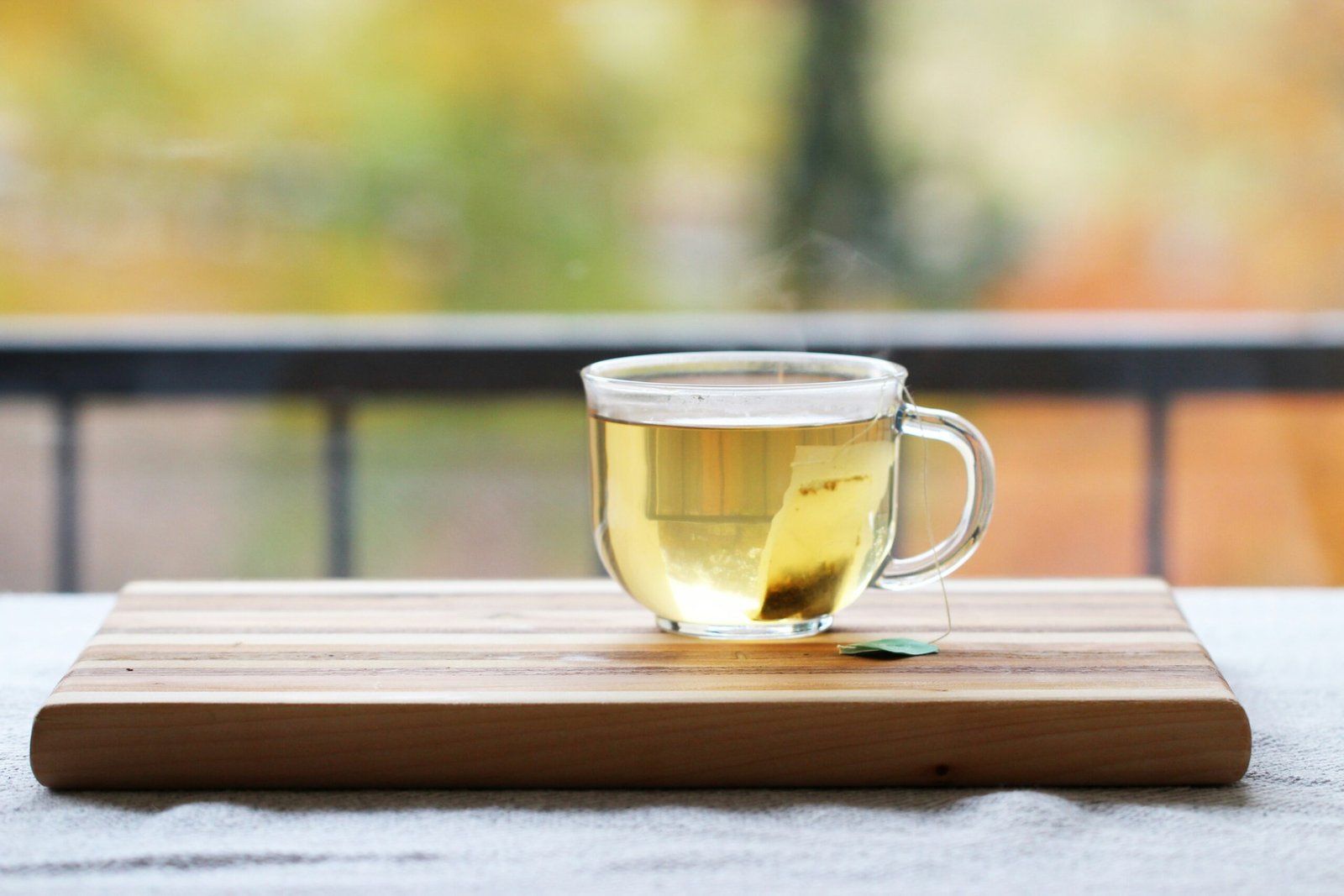
Recognizing When Your Tea Has Gone Stale Through Sensory Evaluation
Have you ever brewed a cup of tea only to be disappointed by a flat, lackluster flavor? The culprit could be stale tea leaves. Knowing how to evaluate the freshness of your tea is essential for enjoying the full aroma and taste. In this article, we’ll explore the key signs of stale tea and provide tips to ensure you’re always sipping on the freshest brew.
The Telltale Signs of Stale Tea
Stale tea can be the result of improper storage, exposure to air, or simply the passage of time. To determine if your tea has lost its freshness, engage your senses:
- Sight: Look at the tea leaves. Fresh leaves should appear vibrant, whole, and intact. Stale leaves may appear dull, discolored, or even crumbled.
- Smell: Inhale the aroma of the dry tea leaves. Fresh tea should have a robust, aromatic scent. Stale tea will have a muted, flat, or musty odor.
- Taste: Brew a small cup of the tea and take a sip. Fresh tea will have a bright, bold flavor. Stale tea may taste flat, bitter, or lack the characteristic nuances of the variety.
Understanding Tea Shelf Life
The shelf life of tea can vary depending on the type and how it’s stored. Generally, whole-leaf teas tend to have a longer shelf life than broken-leaf or fannings:
- Loose-leaf black and green teas: 6-12 months
- Oolong and white teas: 9-18 months
- Herbal and rooibos teas: 12-24 months
However, these are just general guidelines. Proper storage is key to maximizing freshness. Tea should be kept in an airtight container, away from light, heat, and moisture.
Brew the Best Cup with Fresh Tea
Brewing the perfect cup of tea starts with using the freshest leaves. Here are some tips to ensure your tea is at its peak:
- Check the packaging date or “best by” date when purchasing tea.
- Buy tea in smaller quantities and consume it within the recommended shelf life.
- Store tea in an airtight container in a cool, dark place like a pantry or cabinet.
- Avoid storing tea in the refrigerator or freezer, as the moisture can cause the leaves to deteriorate.
- When brewing, use freshly drawn, filtered water at the appropriate temperature for the tea variety.
Reviving Stale Tea (When Possible)
If you’ve discovered that your tea has gone stale, all is not lost. In some cases, you may be able to revive it:
- For loose-leaf tea, try spreading the leaves out on a baking sheet and placing them in a 200°F oven for 5-10 minutes to help rehydrate and release the aromas.
- For bagged tea, open the package and let the tea leaves air out for a few minutes before brewing.
- Experiment with brewing methods, such as using a higher leaf-to-water ratio or steeping for a shorter time, to see if you can coax out more flavor.
Keep in mind that while these techniques may help, severely stale tea may be beyond saving. The best approach is to discard it and purchase fresh tea leaves.
Conclusion
Recognizing the signs of stale tea is crucial for ensuring you enjoy the best possible cup. By engaging your senses, understanding tea shelf life, and following proper storage and brewing practices, you can elevate your tea experience and savor the freshness in every sip. Remember, the key to a delightful cup of tea is starting with the freshest, highest-quality leaves.