
Regional Tea Drinking Etiquette Rules That Might Surprise American Tea Drinkers
Have you ever wondered how tea is enjoyed and perceived in different parts of the world? While Americans may have their own tea traditions, there are fascinating cultural norms and etiquette rules surrounding tea consumption in other regions. From Asia to Europe, the way tea is prepared, served, and consumed can vary greatly. Let’s explore some surprising regional tea drinking etiquette that may differ from the typical American tea experience.
The Art of Pouring Tea in China
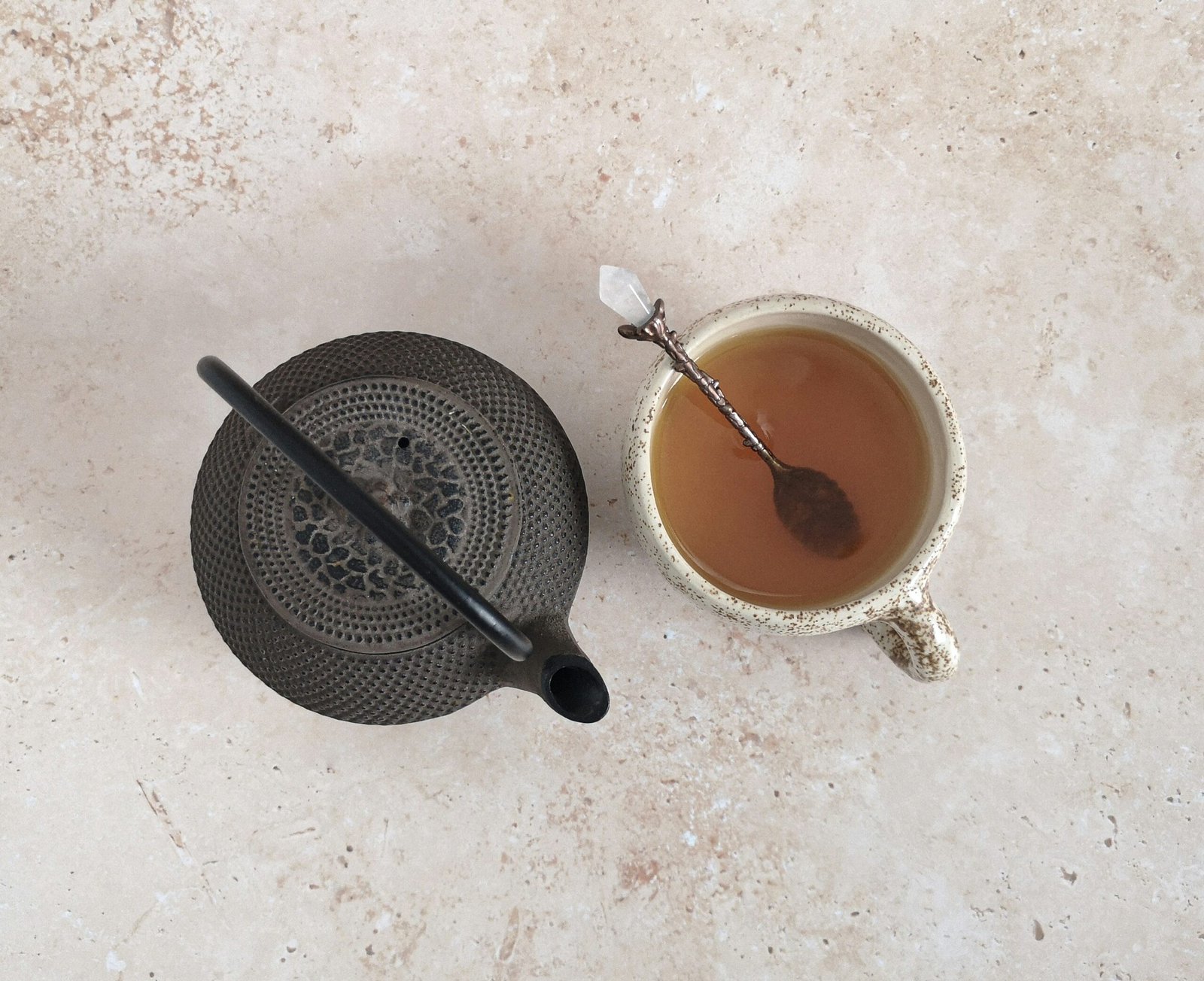
In China, the proper way to pour tea is considered an art form. It’s not as simple as just filling up a cup. Chinese tea culture places a strong emphasis on the ritual and precision of pouring.
• The tea server should hold the teapot with both hands and pour the tea in a slow, steady, and graceful motion.
• When pouring, the server should keep the spout of the teapot close to the rim of the cup, allowing the tea to gently flow out.
• It’s considered impolite to pour tea all the way to the top of the cup. Leaving a bit of room at the top is a sign of respect.
• The server may pour a small amount of tea into each guest’s cup, then go back and refill them, rather than filling them all the way at once.
Etiquette for Serving and Receiving Tea in Japan
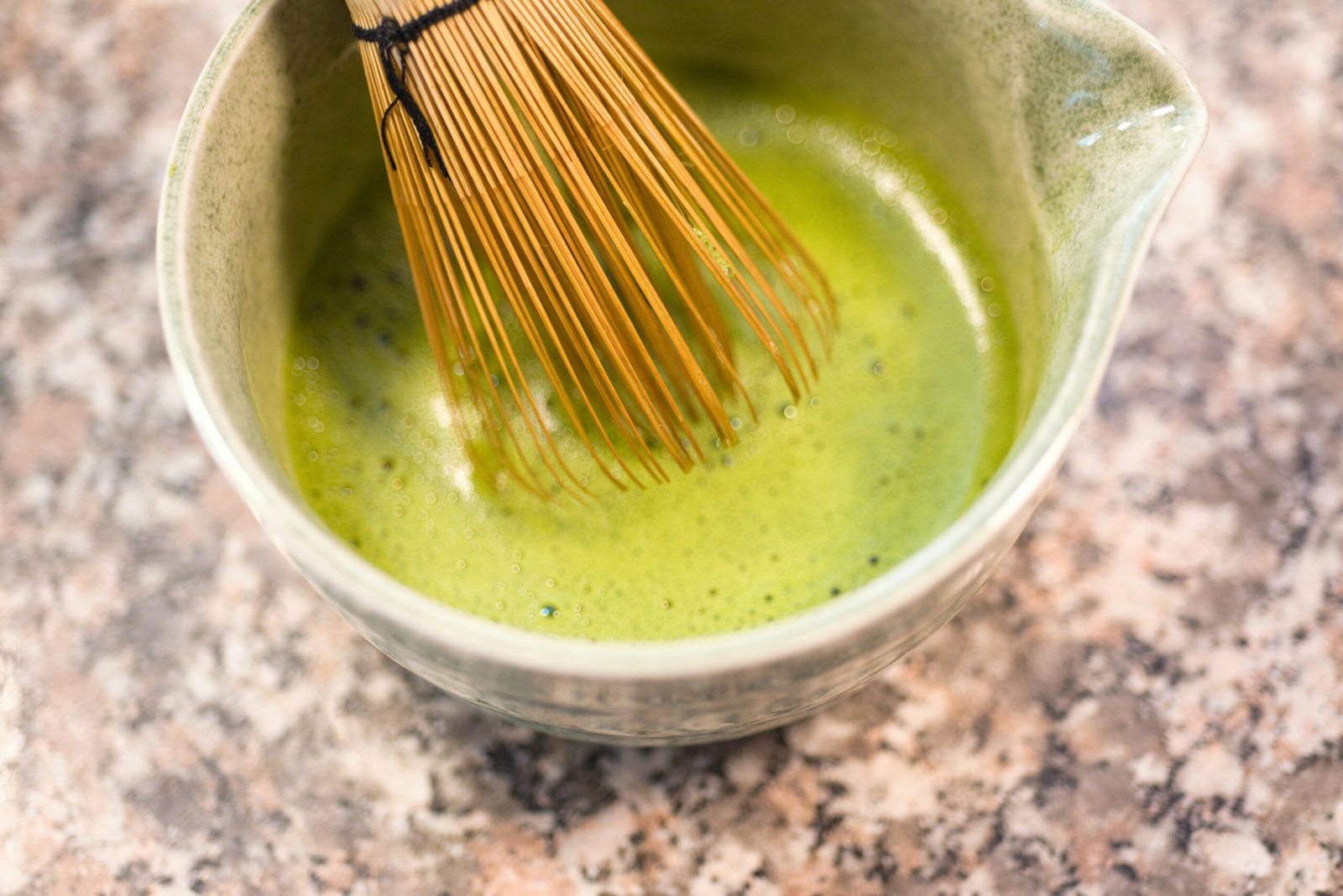
Japanese tea ceremonies are world-renowned for their elegant rituals and attention to detail. When it comes to serving and receiving tea, there are some specific rules to follow.
• The server will present the tea bowl to the guest with both hands, bowing slightly as they do so.
• The guest should accept the bowl with both hands, taking care not to touch the server’s hands.
• When drinking the tea, the guest should make a slight slurping sound, which is considered a sign of appreciation.
• After finishing the tea, the guest may rotate the bowl a quarter turn before placing it back on the serving tray.
The Importance of Milk and Sugar in the UK
In the UK, the way tea is served and consumed is quite different from many other parts of the world. Milk and sugar are essential components of the traditional British tea experience.
• Milk is typically added to the cup before the tea is poured, rather than after.
• The amount of milk used can be a personal preference, but it’s generally considered impolite to add too much, obscuring the color of the tea.
• Sugar is also a common addition, with many Brits enjoying their tea with a spoonful or two of sugar.
• Stirring the tea is done with a gentle back-and-forth motion, rather than vigorous circular stirring.
Etiquette for Sharing Tea in the Middle East
In the Middle East, tea is not just a beverage, but a symbol of hospitality and social connection. The way tea is shared and enjoyed reflects these cultural values.
• When a guest is served tea, it’s considered polite to accept it, even if you don’t intend to drink it.
• Taking the first sip of tea before the host has begun drinking is seen as rude.
• It’s common for the host to refill the guest’s cup without being asked, as a sign of hospitality.
• Slurping the tea is often acceptable, as it’s seen as a way to express enjoyment of the beverage.
By understanding the nuanced tea etiquette in different regions, we can gain a deeper appreciation for the cultural significance and traditions surrounding this beloved beverage. Whether it’s the artful pouring in China, the elegant rituals in Japan, the importance of milk and sugar in the UK, or the emphasis on hospitality in the Middle East, each tea culture has its own unique customs that are worth exploring.