

The Subtle Differences in Tea and Coffee Conversations
Have you ever noticed how conversations over a cup of tea seem to unfold differently than those during a coffee meeting? There’s a distinct social psychology at play that makes tea gatherings feel more relaxed, intimate, and conducive to meaningful exchanges. As an expert tea content writer for Goldenleaf Tea, let’s explore the reasons behind this phenomenon.
The Pace and Rhythm of Tea Time
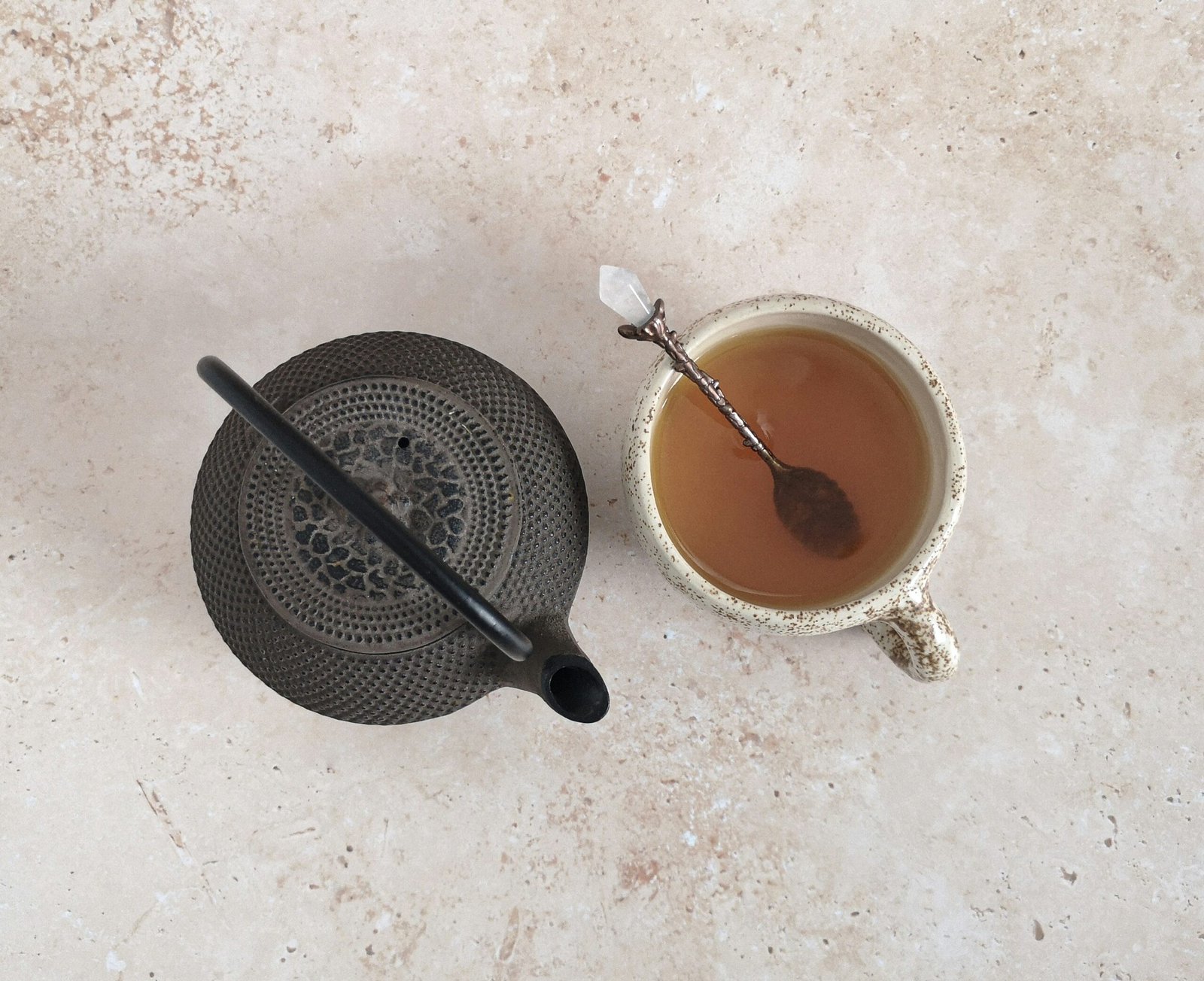
Tea drinking is often a more leisurely, unhurried experience compared to the fast-paced nature of coffee consumption. When you sit down with a warm mug of Goldenleaf Rooibos Tea or Saffron Tea, there’s an inherent invitation to slow down, savor the moment, and engage in deeper conversation. This calmer pace allows for:
- More attentive listening and thoughtful responses
- Unhurried exchanges that flow naturally
- Comfortable silences that don’t feel awkward
- The opportunity to dive into nuanced topics
The Ritual and Shared Experience
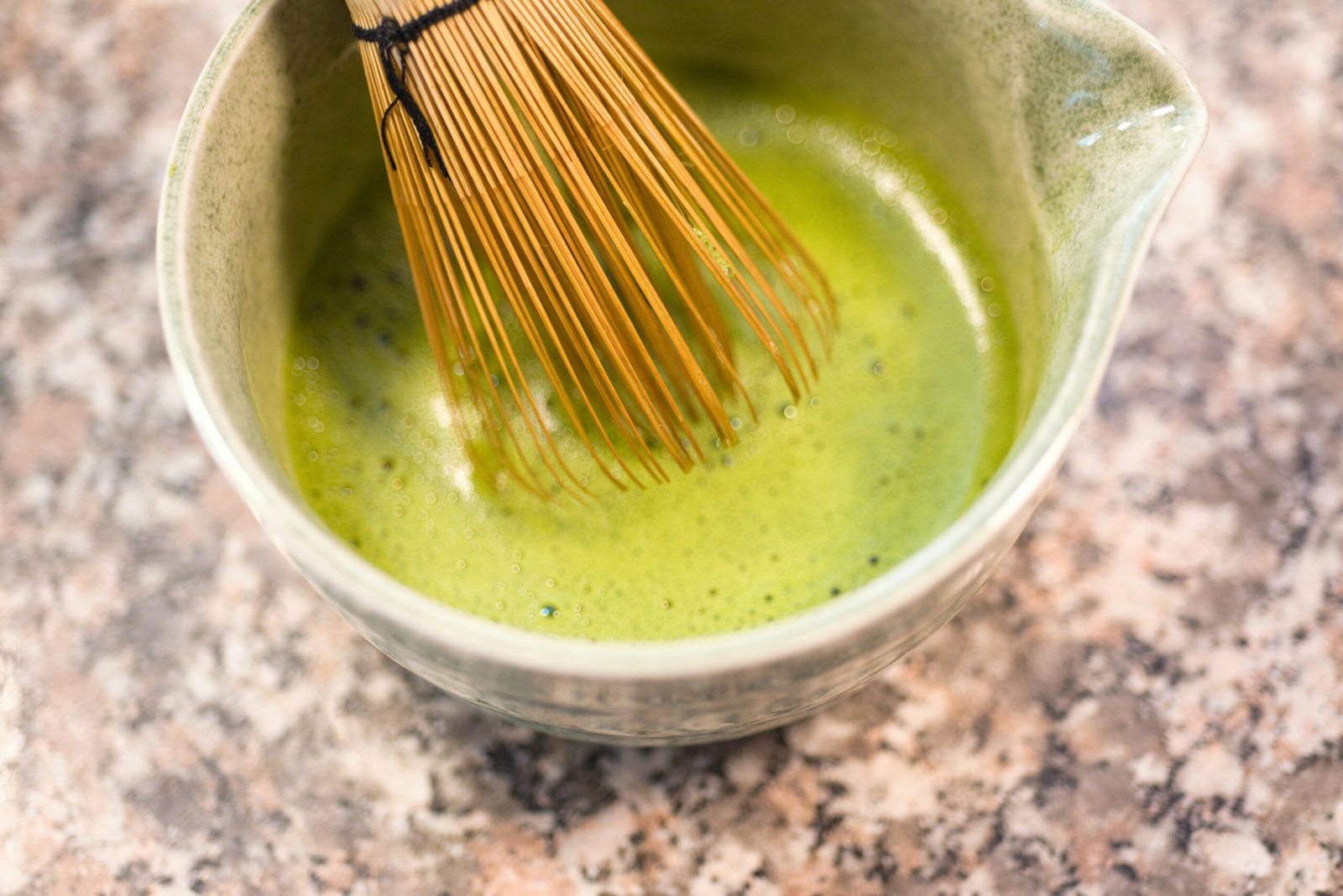
Brewing and sharing tea together is often seen as a ritual, a shared experience that invites a sense of community and connection. Whether it’s a traditional Japanese tea ceremony or a casual catch-up over Goldenleaf Melatonin Tea, the act of preparing and sipping tea together fosters a feeling of intimacy and belonging.
- The shared ritual creates a sense of togetherness
- The process of preparing tea can spark conversations
- Discussing the tea’s aroma, flavors, and origins can deepen the experience
- The warm, comforting nature of tea can put people at ease
The Mindset and Atmosphere
Coffee, while energizing and often associated with productivity, can also create an atmosphere of urgency and task-oriented mentality. Tea, on the other hand, is often viewed as a more contemplative, mindful experience. This difference in mindset and atmosphere can significantly impact the flow of conversations:
- Tea gatherings tend to foster a more relaxed, introspective mood
- Discussions may delve into personal, emotional, or philosophical topics
- Participants are more likely to be present and engaged in the moment
- The calming effects of tea can promote open and vulnerable exchanges
The Cultural and Societal Associations
Tea has long been associated with diverse cultural traditions, from the formal Japanese tea ceremony to the cozy British afternoon tea. These cultural associations can shape the way people approach and experience tea-related conversations:
- Tea may be seen as more sophisticated, intellectual, or contemplative
- Certain tea varieties, such as Goldenleaf Raspberry Leaf Tea or Soursop Tea, can evoke specific cultural or regional connections
- Tea’s historical significance in many cultures can lend an air of reverence and respect to the experience
- The social norms and etiquette surrounding tea can influence the dynamics of the conversation
Conclusion: Embracing the Art of Tea Conversations
By understanding the subtle social psychology behind tea conversations, we can embrace the unique opportunities they present. Whether you’re enjoying a soothing cup of Goldenleaf Rooibos Tea with a friend or hosting a mindful tea gathering, approach the experience with an open mind and a willingness to engage in deeper, more meaningful exchanges. The next time you reach for a warm mug, savor not just the tea, but the rich tapestry of social connections it can inspire.