

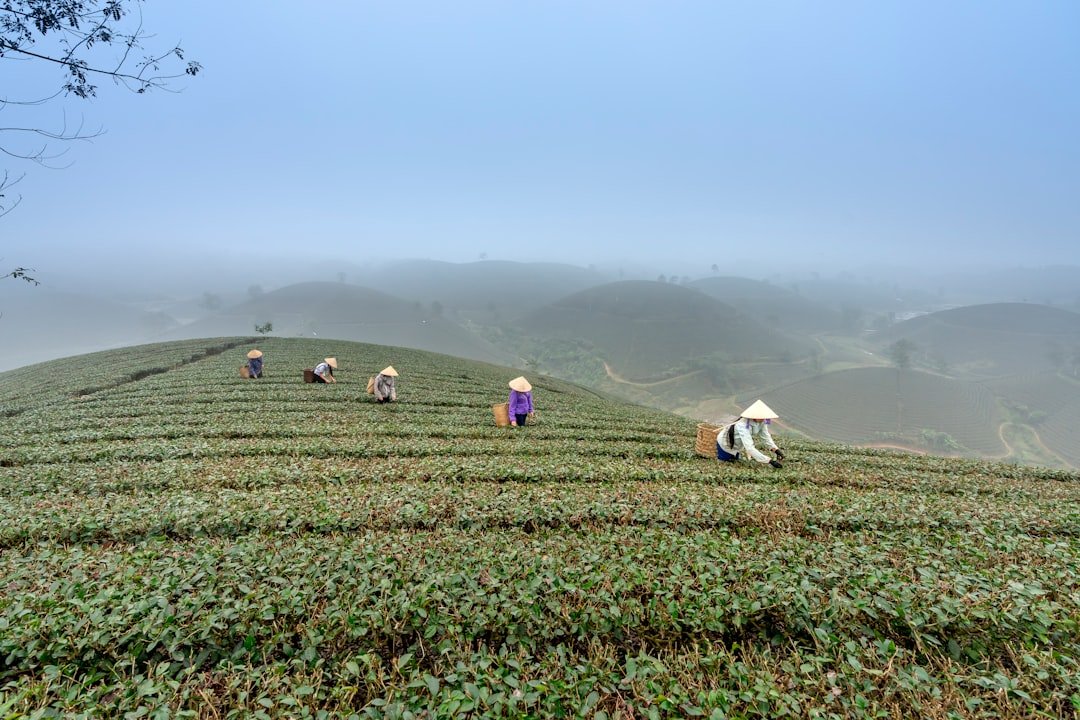
The Environmental Story Behind Sustainable Tea Farming Practices
As the global demand for tea continues to grow, the importance of sustainable farming practices has become increasingly crucial. Tea is not just a beloved beverage; it’s a complex agricultural product that has a significant impact on the environment. Goldenleaf Tea is committed to sourcing its teas from farms that prioritize eco-friendly methods, preserving the delicate balance of nature while delivering exceptional quality.
The Essence of Sustainable Tea Farming
Sustainable tea farming is a holistic approach that aims to minimize the environmental footprint of tea production. This involves a range of practices that work in harmony with the land, preserving its natural resources and biodiversity. At the heart of sustainable tea farming are the following key principles:
- Soil conservation: Sustainable tea farms focus on maintaining and improving soil health through techniques like crop rotation, cover cropping, and the use of organic fertilizers.
- Water management: Efficient water usage, water conservation, and wastewater treatment are essential to ensure the long-term sustainability of tea farming.
- Biodiversity protection: Sustainable tea farms strive to preserve the natural habitats and ecosystems surrounding the tea plantations, allowing diverse flora and fauna to thrive.
- Responsible chemical usage: Sustainable tea farming minimizes the use of synthetic pesticides and herbicides, opting for natural, eco-friendly alternatives whenever possible.
The Benefits of Sustainable Tea Farming
The transition to sustainable tea farming practices offers a multitude of benefits, both for the environment and the tea industry as a whole. Some of the key advantages include:
- Improved soil health and fertility, which supports the long-term viability of tea cultivation.
- Reduced water usage and improved water quality, protecting local watersheds and aquatic ecosystems.
- Enhanced biodiversity, which promotes natural pest control and contributes to a healthier, more resilient tea ecosystem.
- Decreased carbon footprint, as sustainable farming methods often involve reduced reliance on energy-intensive inputs.
- Increased consumer demand for ethically sourced, environmentally-friendly tea products.
Sustainable Tea Farming Practices in Action
Goldenleaf Tea works closely with its tea growers to implement a range of sustainable farming practices. Some of the key initiatives include:
- Organic farming: Many of Goldenleaf’s tea estates have transitioned to organic cultivation, eliminating the use of synthetic pesticides and fertilizers.
- Agroforestry: Tea plants are often interspersed with other crops and trees, creating a diverse, multilayered ecosystem that mimics natural forest systems.
- Water conservation: Goldenleaf’s tea farms employ advanced irrigation techniques and wastewater treatment to minimize water usage and protect local water sources.
- Waste management: Tea waste and byproducts are repurposed as organic fertilizers or renewable energy sources, reducing the environmental impact of tea production.
The Future of Sustainable Tea
As consumers become increasingly conscious of the environmental impact of their purchasing decisions, the demand for sustainably-produced tea is on the rise. Companies like Goldenleaf Tea are at the forefront of this movement, demonstrating that it is possible to deliver high-quality tea while prioritizing the long-term health of the planet.
By supporting sustainable tea farming practices, we can ensure that this beloved beverage continues to be enjoyed for generations to come, while also contributing to the preservation of the natural world. As we sip our Goldenleaf Tea, we can take comfort in the knowledge that our choice is making a positive difference.