
Why Some People Taste Bitter Notes While Others Enjoy Sweet Tea Complexity
Have you ever shared a cup of tea with a friend or family member, only to find that they perceive the flavor quite differently than you do? It’s a curious phenomenon that has long puzzled tea enthusiasts. Some people seem to detect more bitterness in their tea, while others relish the nuanced sweetness and complexity. What’s behind this variation in tea tasting?
Genetics and Taste Perception
One of the primary factors that influences how we taste tea (and other foods) is our genetics. Certain genetic variants can affect our sensitivity to bitter compounds, which are naturally present in many plant-based foods, including tea. People who possess these genetic variations tend to be more sensitive to bitterness, often describing tea as having a harsh, unpleasant taste.
- Genes like TAS2R38 play a key role in determining our perception of bitter flavors.
- Individuals with certain variants of this gene are considered “supertasters” and are more likely to find bitter notes overpowering in tea.
- On the other hand, people without these genetic sensitivities may be able to better appreciate the nuanced sweetness and complexity of tea.
The Role of Oxidation and Processing
The way tea leaves are processed can also contribute to the perceived bitterness or sweetness in the final cup. Teas like Goldenleaf Tea’s Saffron Tea and Rooibos Tea undergo minimal oxidation, resulting in a lighter, more delicate flavor profile that is often less bitter.
- Oxidation, which occurs naturally when tea leaves are exposed to air, can increase the formation of bitter-tasting compounds.
- Teas that are heavily oxidized, such as black teas, tend to have a more pronounced bitterness that some tasters find overwhelming.
- In contrast, minimally oxidized teas like green tea and herbal infusions often have a sweeter, more delicate flavor that is more palatable for those sensitive to bitterness.
Individual Taste Preferences
Beyond genetics and processing, personal taste preferences also play a significant role in how we experience the flavors of tea. Some people simply have a higher tolerance for bitter tastes, while others are naturally drawn to sweeter profiles.
- Factors like age, gender, and even cultural upbringing can shape our individual taste preferences over time.
- Exposure to a variety of teas can also help expand our palates and broaden our appreciation for different flavor profiles.
- Trying teas with a range of oxidation levels, such as Goldenleaf Tea’s Melatonin Tea, Raspberry Leaf Tea, and Soursop Tea, can help individuals discover their personal preferences.
Enhancing the Tea Tasting Experience
If you find that you’re someone who struggles with the bitterness in tea, there are a few strategies you can try to enhance your tasting experience:
- Experiment with brewing parameters, such as water temperature and steeping time, to find the optimal balance for your taste preferences.
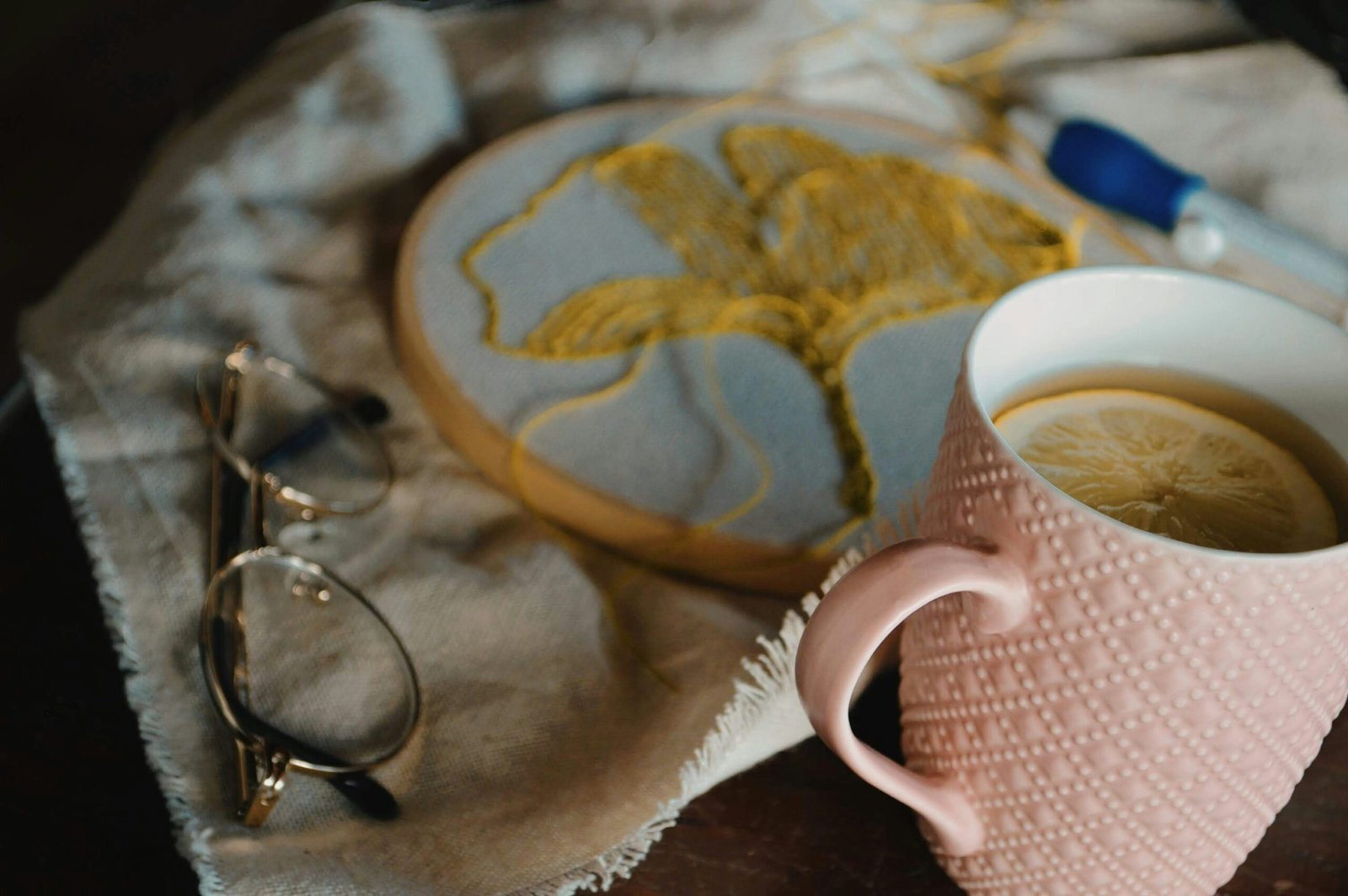
- Try adding a small amount of honey, milk, or lemon to help counteract any perceived bitterness.
- Explore teas that are naturally lower in bitterness, such as herbal infusions or minimally oxidized varieties.
Remember, the beauty of tea lies in its diversity. By understanding the factors that influence our individual taste perceptions, we can better appreciate the nuanced flavors and find teas that truly delight our senses.